
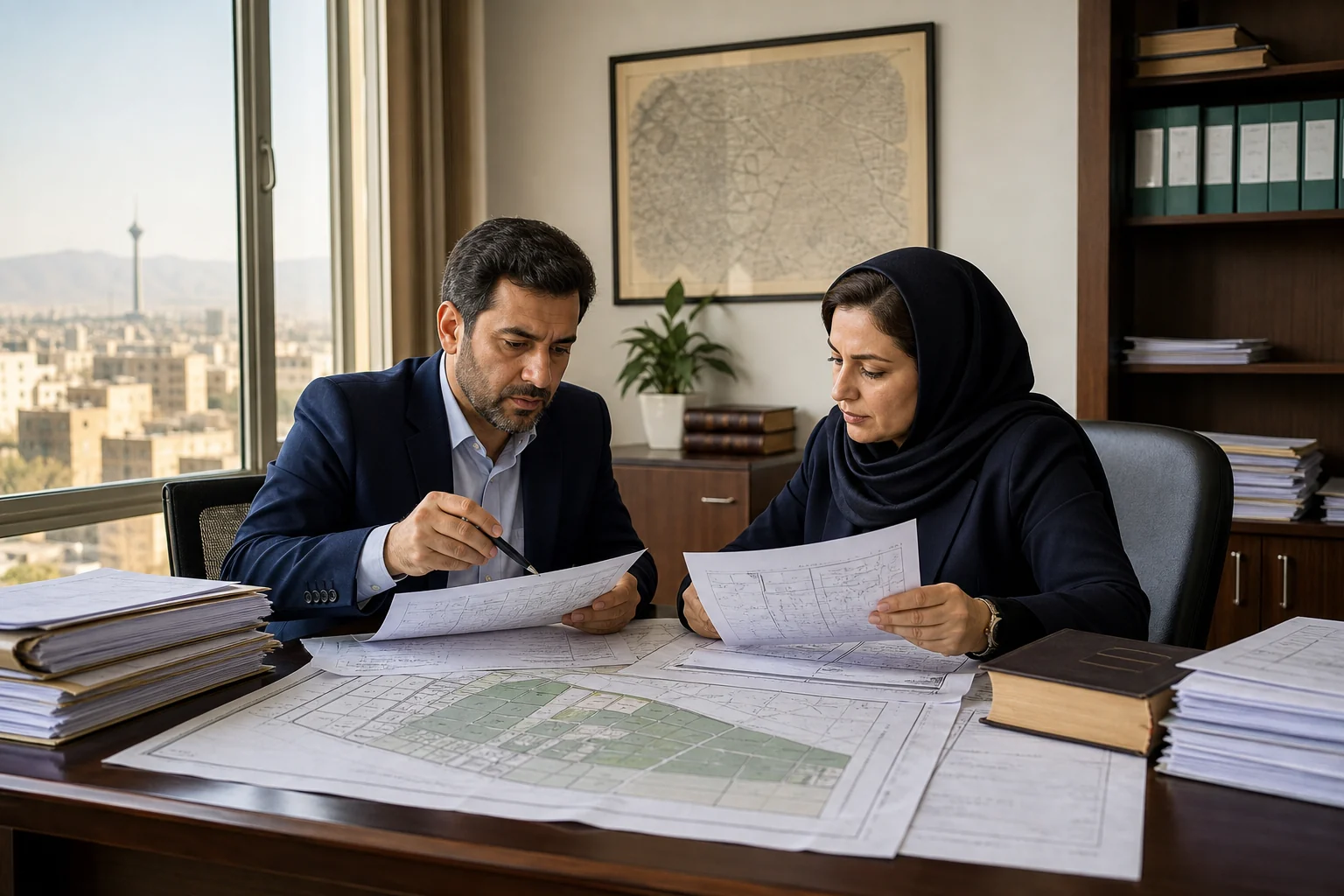
land-registration and title disputes in Iran
Property-registration disputes concern disagreements arising from the public-registration process, boundary demarcation, issuance or correction of title deeds, conflicting title deeds, easements, partition, judicial attachment, and registration-enforcement operations.
Depending on the dispute, these cases may fall before the Land Registration Office, Registration Supervisory Board, Supreme Registration Council or a general civil court. Identifying the defect and competent authority is the first step.
Request a consultationWhat are property-registration disputes?
Property-registration disputes concern first registration, boundary demarcation, registered ownership, title documents, registration errors and conflicts, easements, partition and registry enforcement. The nature of the dispute determines whether it belongs before the Land Registration Office, Registration Supervisory Board, Supreme Registration Council or a court.
Reviewing the case and registration history
The principal and subsidiary registration parcel numbers, the land register, the registration file, successive and boundary-demarcation notices, the boundary-demarcation report, transfers, judicial attachments, mortgages, and conflicting title deeds must be reviewed to determine the source of the dispute and the property’s current status.
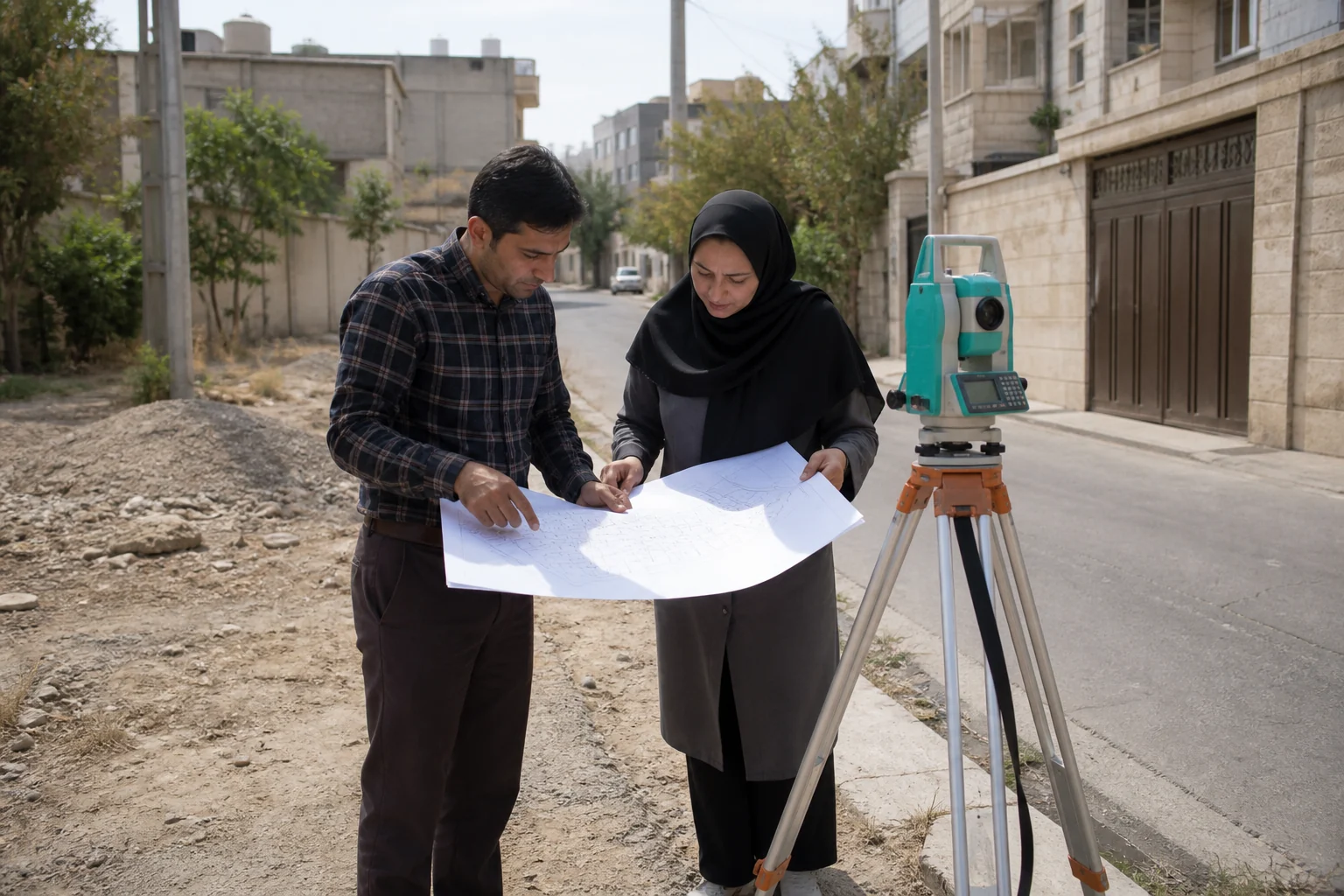
Correction or judicial invalidation of an official instrument
Errors in property or owner details, conflicting deeds, a deed issued contrary to another person’s rights or a registration defect may justify rectification or invalidation. These remedies differ; identify the defect, competent authority and appropriate relief before acting.
Authorities competent to hear registration disputes
Not every registration dispute goes directly to court. Some errors and disputes fall within the Land Registration Office, Registration Supervisory Board or Supreme Registration Council. Others, including deed invalidation or proof of a competing right, may require court proceedings.
Usual stages in reviewing a registration case
Identifying the cadastral parcel and registration history
The cadastral parcel identifier, boundaries, registered owner, and registration-file history are obtained and reviewed.
Collecting documents and official inquiries
Title documents, contracts, maps, registry inquiry results, official notices and earlier decisions are collected.
Identifying the type of defect and the competent authority
The issue is identified as a registration error, a conflict, invalidation of an instrument, an objection to registration proceedings or a judicial dispute.
Choosing the appropriate application or legal action
Depending on the dispute, an administrative application or civil claim is prepared with precisely defined relief.
Related topics
Iranian property disputes
Main page for property, registration, and national-land matters
action to compel execution of an official title deed
Official transfer and removal of registration obstacles
Division and partition of property
Determining the status of co-owned property
Release of mortgage and return of the title document
Release of the title document and collateral
National lands and natural resources under Iranian law
Challenging the classification of land as national land and reviewing privately held exclusions.
Judicial invalidation of an official property deed
Reviewing material defects in title documents and registration records.
Relevant legal sources
Iranian Registration of Deeds and Properties Act («قانون ثبت اسناد و املاک»)
Iranian Act on Partition and Sale of Co-owned Property («قانون افراز و فروش املاک مشاع»)
Law on Determining the Registration Status of Lands and Buildings Lacking an Official Deed
This list identifies the principal legal provisions relevant to the page. The applicable law and amendments must be checked against the dates, subject matter and circumstances of each case.
The official texts and latest amendments are available in the National Database of Iranian Laws and Regulations.
Frequently asked questions
Methods of contact
For legal advice or follow-up on a case, contact us using one of the methods below.