
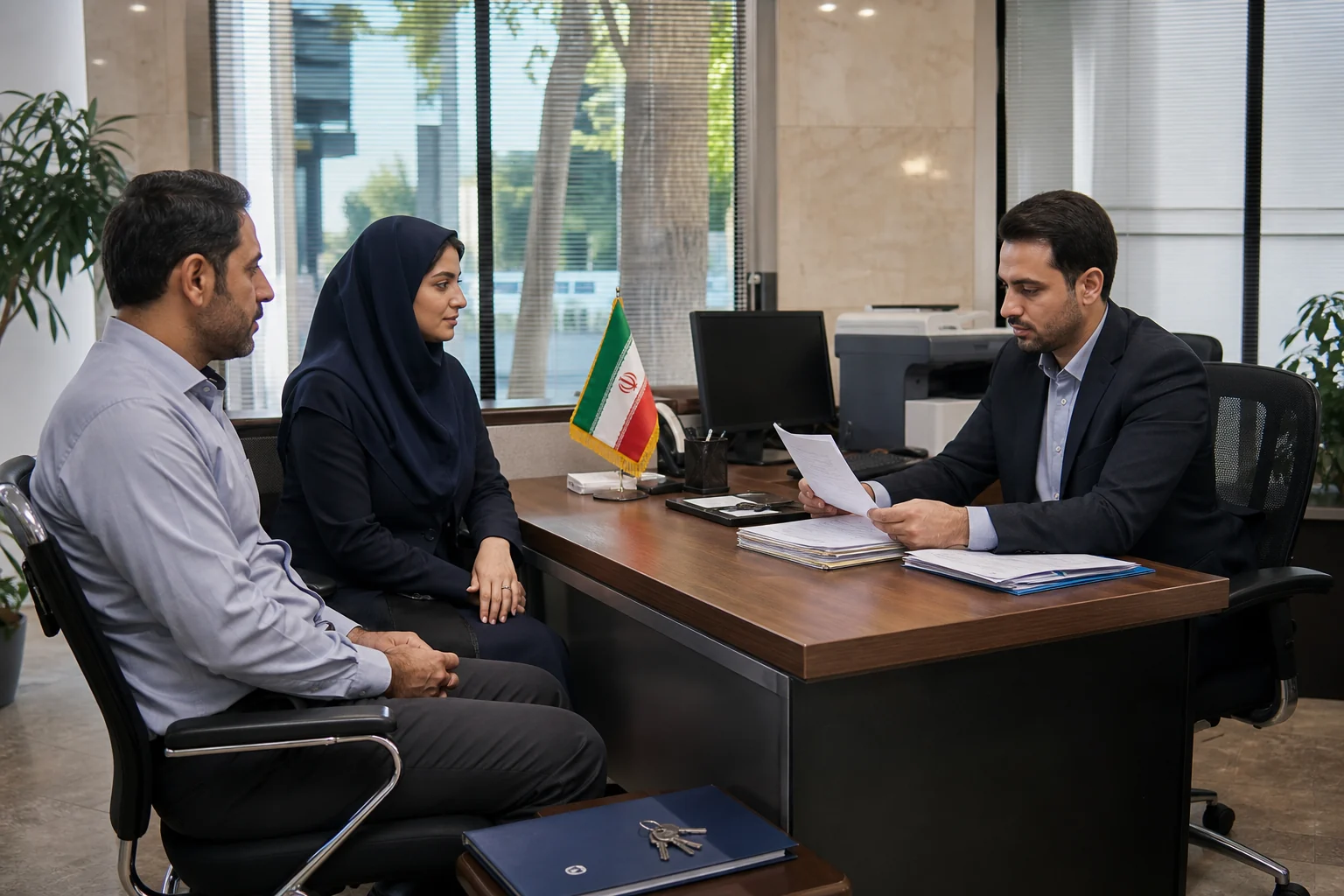
Release of mortgage and return of the title document
Discharging a mortgage releases the secured property from the mortgage. In a property transaction, the seller may have undertaken to pay the bank debt or mortgagee’s claim and free the property for formal transfer, but then refuse to perform.
Before filing, identify the mortgagor and mortgagee, the amount and status of the debt, who undertook to discharge the mortgage and whether formal transfer of title should also be sought.
Request a consultationWhat are release of mortgage and return of the title document?
A rahn (pledge or mortgage) is a contract under which a debtor gives an asset to a creditor as security for a debt. Under Articles 771 et seq. of the Iranian Civil Code, the mortgaged asset secures the debt and acts inconsistent with the mortgagee’s rights are restricted. After payment of the debt or another legal ground arises, release of the security and discharge of the mortgage may be sought.
Who must arrange the release of mortgage?
The answer depends on the contract and debtor–creditor relationship. The seller may owe the bank debt, the buyer may pay part of the price directly to the mortgagee, or a third party may be the mortgagor. Identify the defendants in light of those relationships.
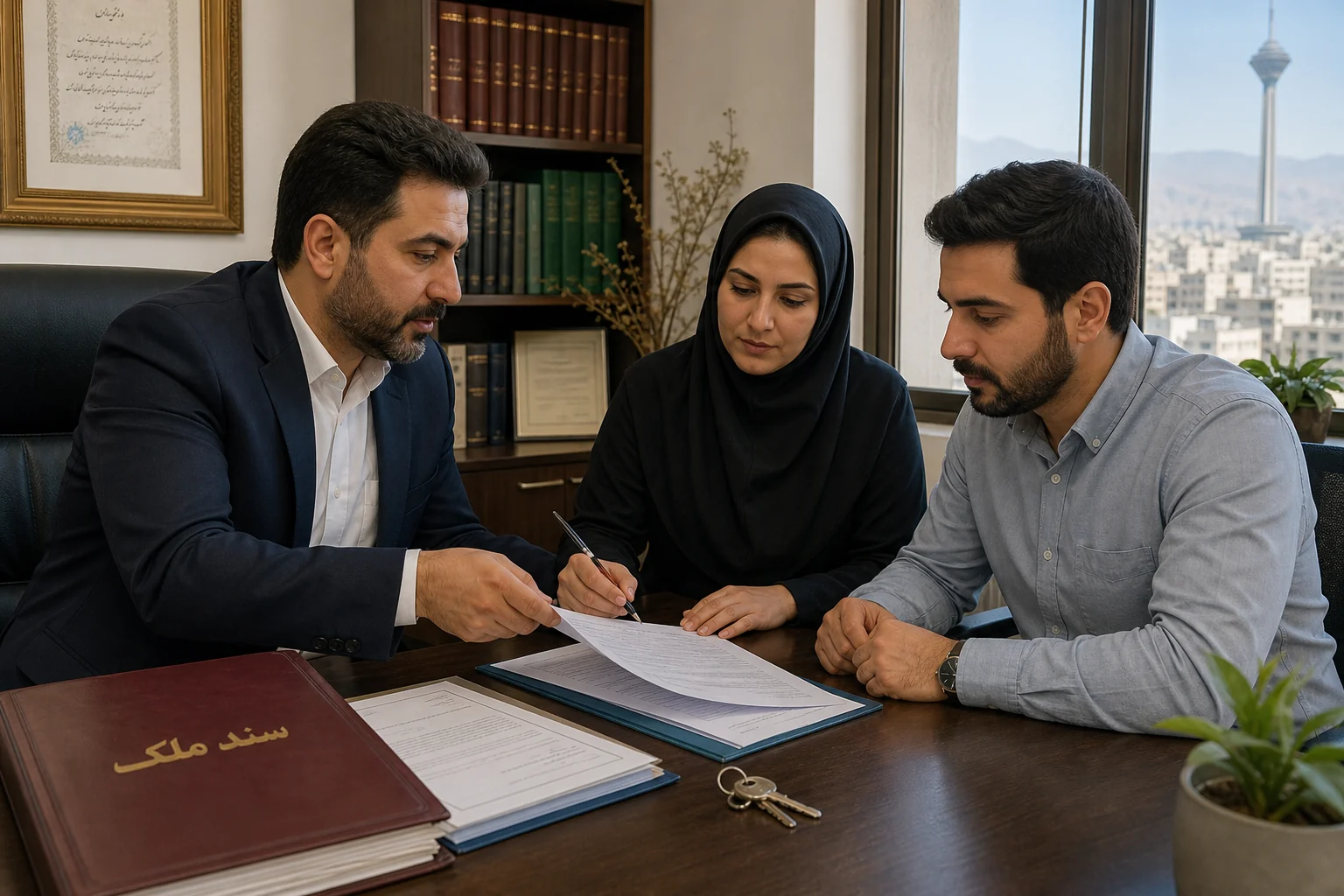
Usual stages of review and follow-up
Reviewing the instrument and contract
The mortgage, seller’s obligations and payment terms are reviewed.
Obtaining a statement of the outstanding debt
The status of the debt and the conditions of the mortgagee or bank are determined.
Claim for performance of an obligation
A formal legal notice or an action to require discharge of the mortgage and, if necessary, execution of the official deed may be pursued.
Removal of the encumbrance and transfer
After the settlement or execution of the judgment, the mortgage is removed and the document is released.
Connection with execution of an official title deed
If the ultimate objective is transfer of the property, merely discharging the mortgage may not be sufficient; it may also be necessary to seek an order compelling execution of an official deed. In some cases the mortgagee or bank must be joined for the judgment to be enforceable.
Related topics
Iranian property disputes
Return to the comprehensive property-law services page
action to compel execution of an official title deed
Official transfer of property and removal of registration obstacles
action to recover possession based on established ownership (khalʿ-e yad)
Ending unauthorized possession on the basis of established ownership
Relevant legal sources
Iranian Civil Code («قانون مدنی»)
Iranian Registration of Deeds and Properties Act («قانون ثبت اسناد و املاک»)
Iranian Code of Civil Procedure («قانون آیین دادرسی دادگاههای عمومی و انقلاب در امور مدنی»)
This list identifies the principal legal provisions relevant to the page. The applicable law and amendments must be checked against the dates, subject matter and circumstances of each case.
The official texts and latest amendments are available in the National Database of Iranian Laws and Regulations.
Frequently asked questions
Methods of contact
For legal advice or follow-up on a case, contact us using one of the methods below.