

judicial invalidation of an official instrument
An official deed has substantial evidentiary value, and it may be invalidated only on a specific legal ground and following consideration by the competent authority. The first step is therefore to identify precisely the defect in the deed and the underlying transaction or registration process.
An action to invalidate an official instrument may concern a void transaction, a transaction subject to a right of termination, forgery, the transferor’s lack of authority, conflicting rights or a defect in registration proceedings. Each requires its own procedure and evidence.
Request a consultationWhat is judicial invalidation of an official instrument?
Invalidation of an official deed arises where it is alleged that the basis for its issue or execution cannot legally stand. Merely labelling the claim “deed invalidation” is insufficient: its legal ground, connection to the registration history and interested parties must be clear.
Principal grounds to be examined
Invalidity of the underlying transaction: If the transfer on which the deed was issued was fundamentally lacking legal requirements, its effect on the official deed must be examined.
Forgery or alteration: Allegations of forgery require proof in a legal manner and the mere allegation does not invalidate the document.
Lack of authority or representation: Transfer by a person without authority or outside the scope of the power of attorney can be a source of dispute about the validity of the transfer and the subsequent document.
Registration defects and conflicts: Some cases require simultaneous review of registration history, property boundaries, conflicting title deeds and registration decisions.
Usual stages of case review
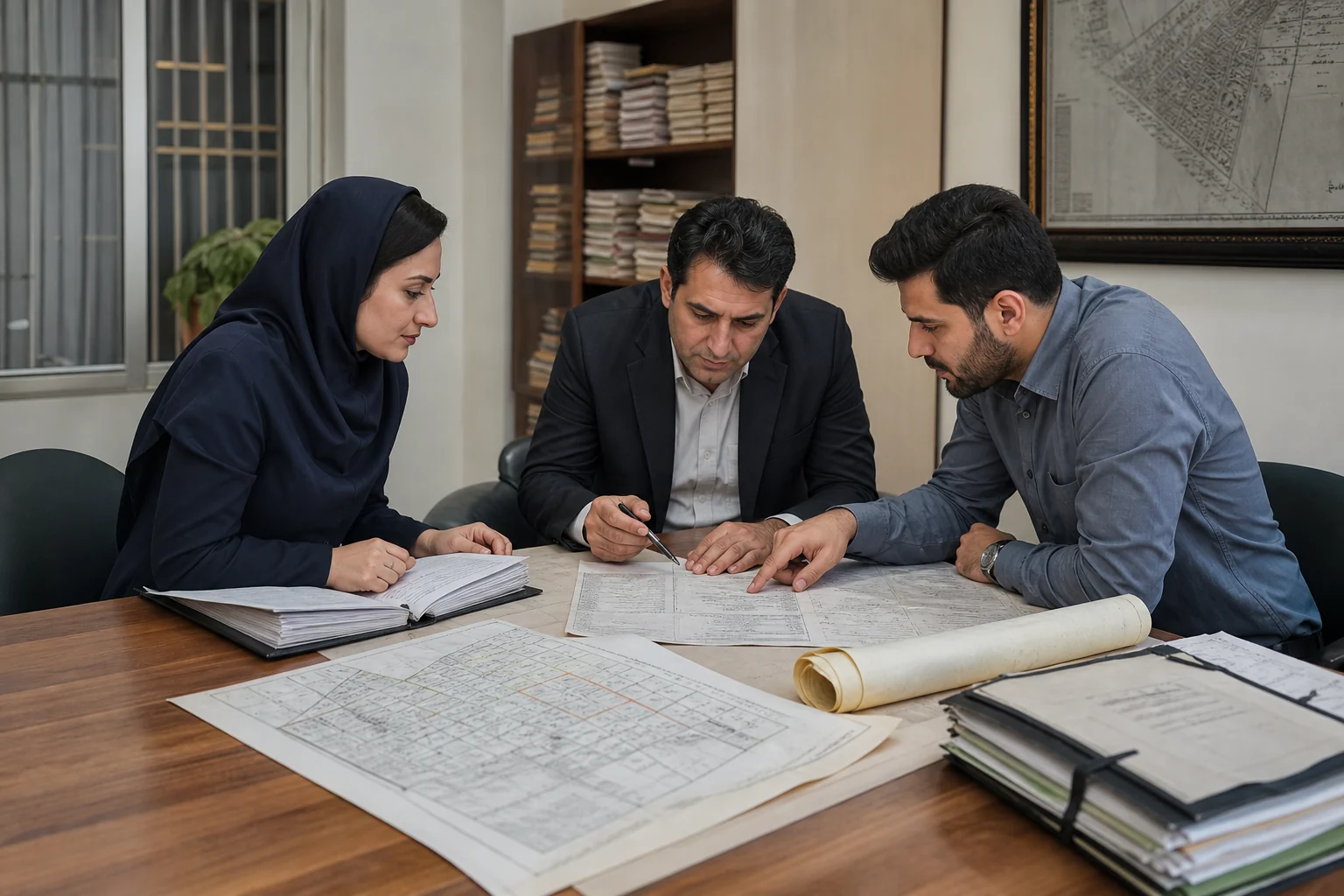
Reviewing the chain of instruments and transactions
The current deed, earlier deeds, contracts, powers of attorney and registration records are reviewed together.
Determining the legal basis and requested remedies
The review identifies whether the defect concerns the transaction, the instrument, the registration process or a combination of them.
Identifying interested parties
The current owner, previous transferors and other persons whose rights are affected by the decision must be taken into account in the design of the lawsuit.
Proceedings, expert examination, and enforcement of the decision
If necessary, the registration and expert records are reviewed and after the final decision, the registration status is corrected in accordance with the ruling.
Related topics
Act on Mandatory Official Registration of Immovable Property Transactions
New rules on registering transactions involving immovable property
Registration disputes
Reviewing property-registration disputes and records
action to compel execution of an official title deed
Enforcing the seller’s obligation to complete the official transfer
action to recover possession based on established ownership (khalʿ-e yad)
Ending unauthorized possession on the basis of established ownership
Relevant legal sources
Iranian Registration of Deeds and Properties Act («قانون ثبت اسناد و املاک»)
Iranian Civil Code («قانون مدنی»)
Iranian Code of Civil Procedure («قانون آیین دادرسی دادگاههای عمومی و انقلاب در امور مدنی»)
This list identifies the principal legal provisions relevant to the page. The applicable law and amendments must be checked against the dates, subject matter and circumstances of each case.
The official texts and latest amendments are available in the National Database of Iranian Laws and Regulations.
Frequently asked questions
Methods of contact
For legal advice or follow-up on a case, contact us using one of the methods below.