
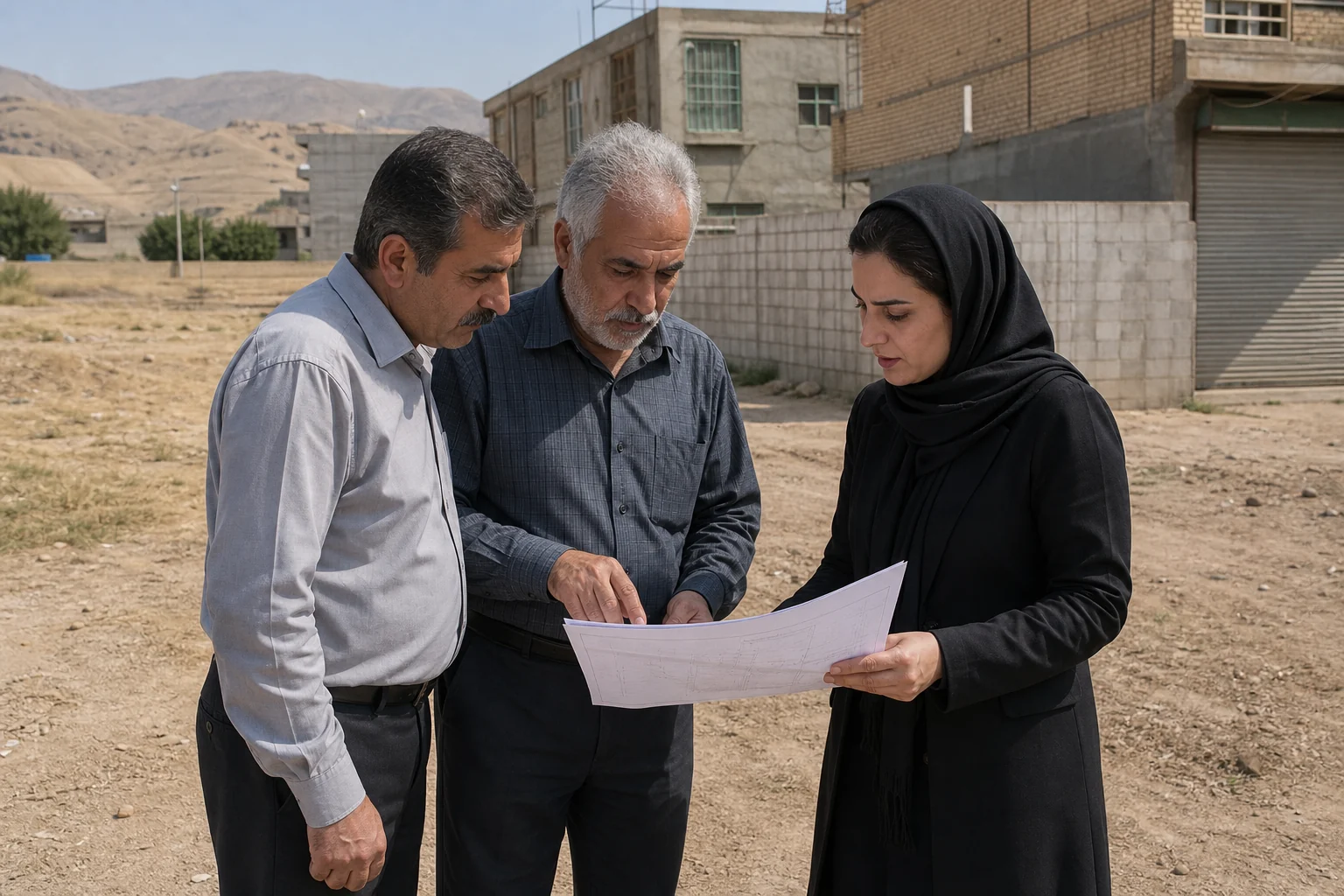
Division and partition of co-owned property
Where property is co-owned, each co-owner may, in principle, seek resolution of their undivided interest. Partition separates each co-owner’s share from the common property; if partition is not possible, sale may be considered.
The authority competent to partition property is not always the same. Once registration is complete, jurisdiction generally lies with the land-registration unit where the property is located. Special cases, including a co-owner who lacks legal capacity or an absent person whose whereabouts are unknown, fall within court jurisdiction.
Request a consultationWhat are the division and partition of co-owned property?
The Iranian Act on Partition and Sale of Co-owned Property, enacted in 1357, places applications to partition co-owned properties whose registration process has been completed within the jurisdiction of the local registration unit. A registration decision can be appealed to a court. If the property is definitively found incapable of partition, its sale may be requested in accordance with the law.
Partition, subdivision, and division
Partition (afraz) ends co-ownership by separating the co-owners’ shares. Subdivision (tafkik) divides land into parcels and does not necessarily end co-ownership. Division (taqsim) is broader and may be achieved by agreement, partition, sale or other methods.
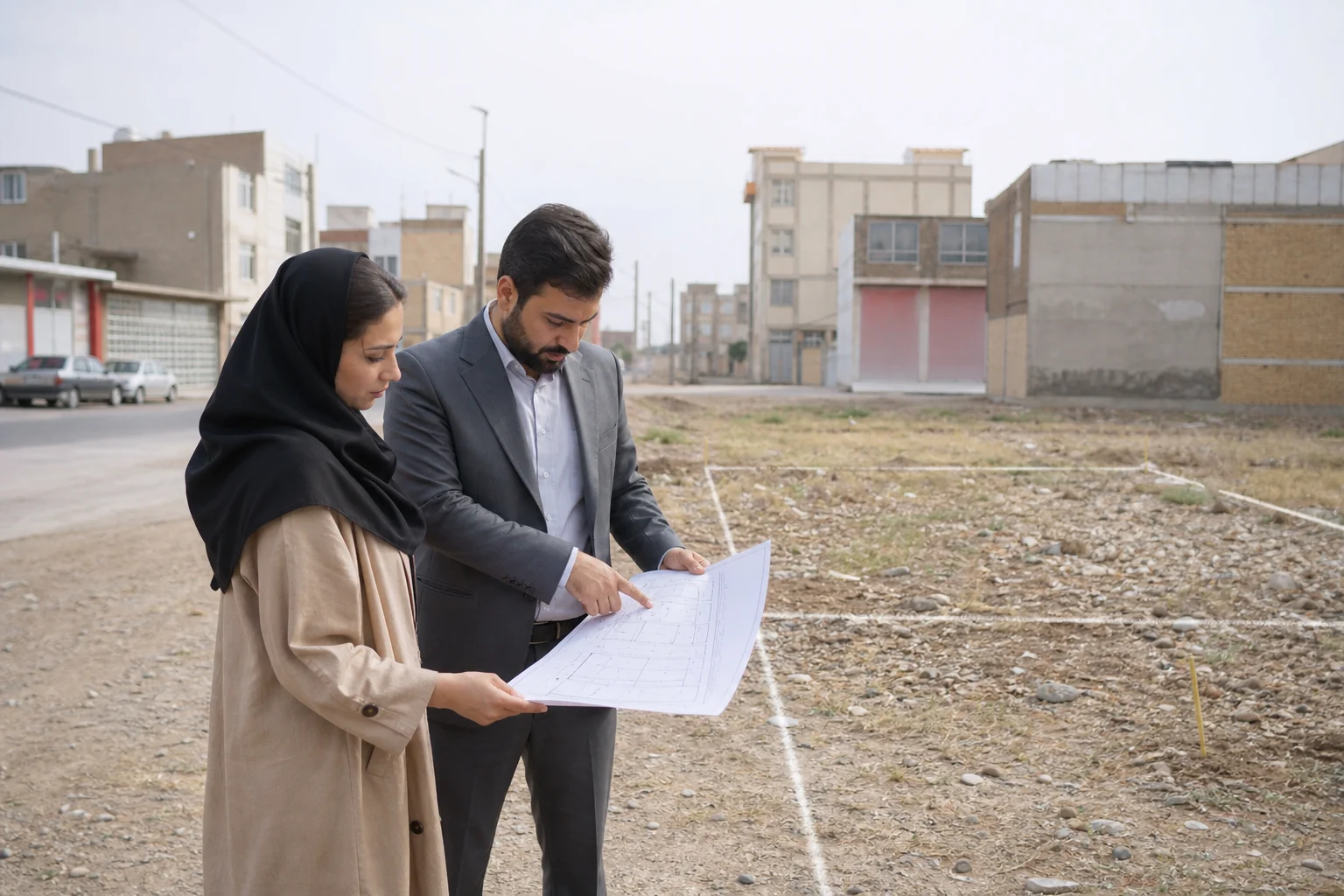
Usual stages of review and follow-up
Reviewing the registration status
The cadastral parcel identifier, the co-owners’ ownership interests, and completion of the registration process are examined.
Determining the competent authority
The registration office or court is selected according to the circumstances.
Expert assessment of whether partition is feasible
The technical and legal feasibility of dividing the property is assessed.
Partition or sale
If possible, the shares are separated, otherwise the sale route is taken.
Property not capable of partition
If partition would seriously reduce value, breach planning rules or create unsuitable parcels, the property may be declared incapable of partition. Once that decision is final, any co-owner may request a sale from the competent authority, with proceeds divided in proportion to the co-owners’ interests.
Related topics
Iranian property disputes
Return to the comprehensive property-law services page
action to compel execution of an official title deed
Official transfer of property and removal of registration obstacles
action to recover possession based on established ownership (khalʿ-e yad)
Ending unauthorized possession on the basis of established ownership
Relevant legal sources
Iranian Act on Partition and Sale of Co-owned Property («قانون افراز و فروش املاک مشاع»)
Iranian Registration of Deeds and Properties Act («قانون ثبت اسناد و املاک»)
Iranian Civil Code («قانون مدنی»)
This list identifies the principal legal provisions relevant to the page. The applicable law and amendments must be checked against the dates, subject matter and circumstances of each case.
The official texts and latest amendments are available in the National Database of Iranian Laws and Regulations.
Frequently asked questions
Methods of contact
For legal advice or follow-up on a case, contact us using one of the methods below.