
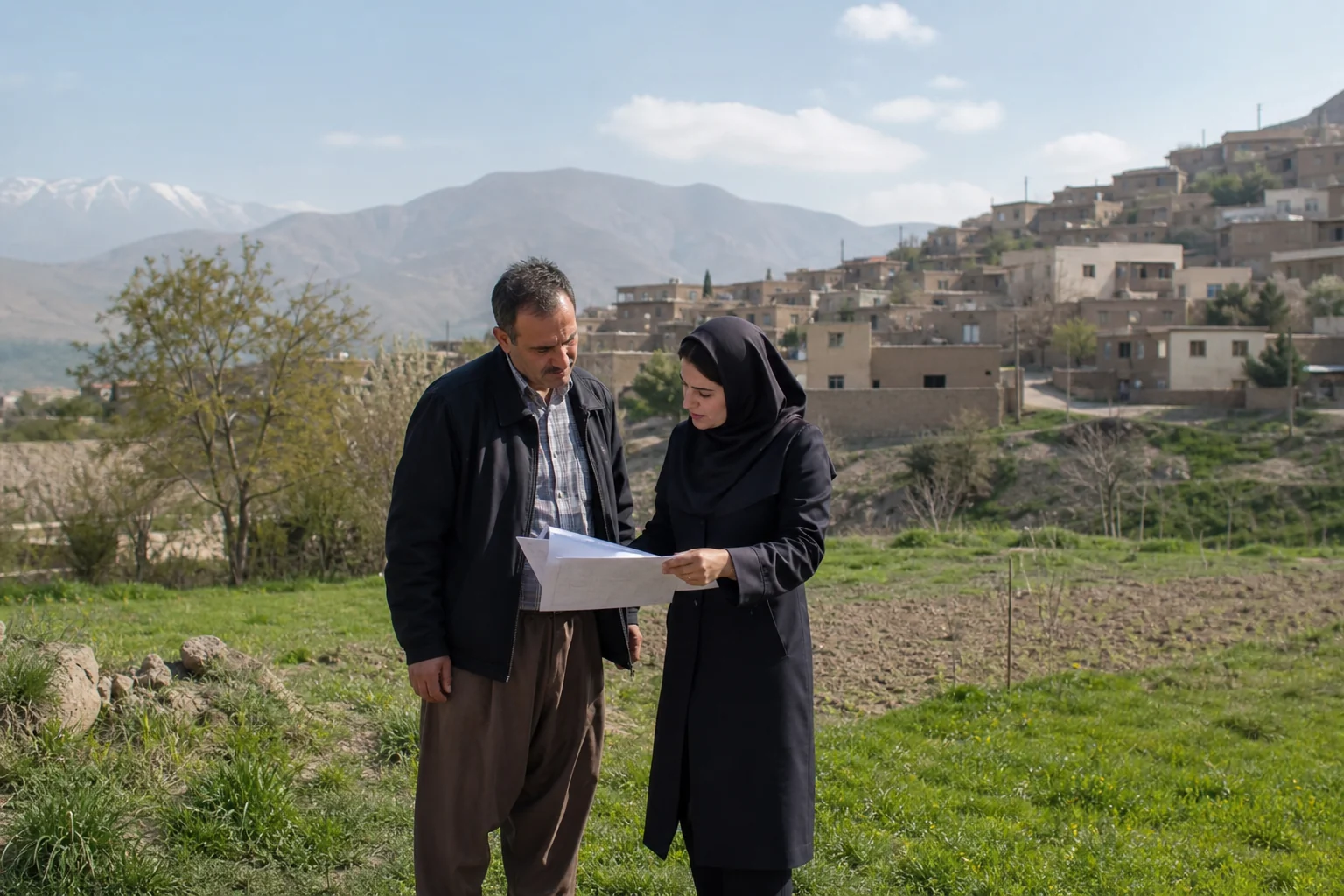
National lands and natural resources under Iranian law
Cases concerning national lands and natural resources involve determining whether land is national land, establishing privately held exclusions, land boundaries, land-improvement history, and challenges to related administrative or judicial decisions.
This topic forms part of the website’s property-disputes coverage. Review usually requires comparing the documents, registration records, maps, aerial photographs and the land’s actual condition.
Request a consultationNational-land status and privately held exclusions
The central issue is usually whether land is national land or was reclaimed by private persons before the relevant statutory dates and falls within the privately held exclusions. No single document resolves this; assess registration history, reclamation, documents and expert opinion together.
Documents and history of land development
Title documents, historic notarial conveyance deeds, agricultural-tenure records, aerial photographs, maps, cultivation history, facilities, local certificates, and expert opinions may assist in analysing the land’s history. The value of each item must be assessed against the cadastral parcel, the land’s exact location, and the legally relevant dates.
Authorities and objection procedure
The hearing authority varies depending on the type of decision, the time of the objection, the case history and the governing law. Before any action, the contested decision, the issuing authority, the date of notification and previous paths of the hearing must be precisely identified.
Expert examination and map comparison
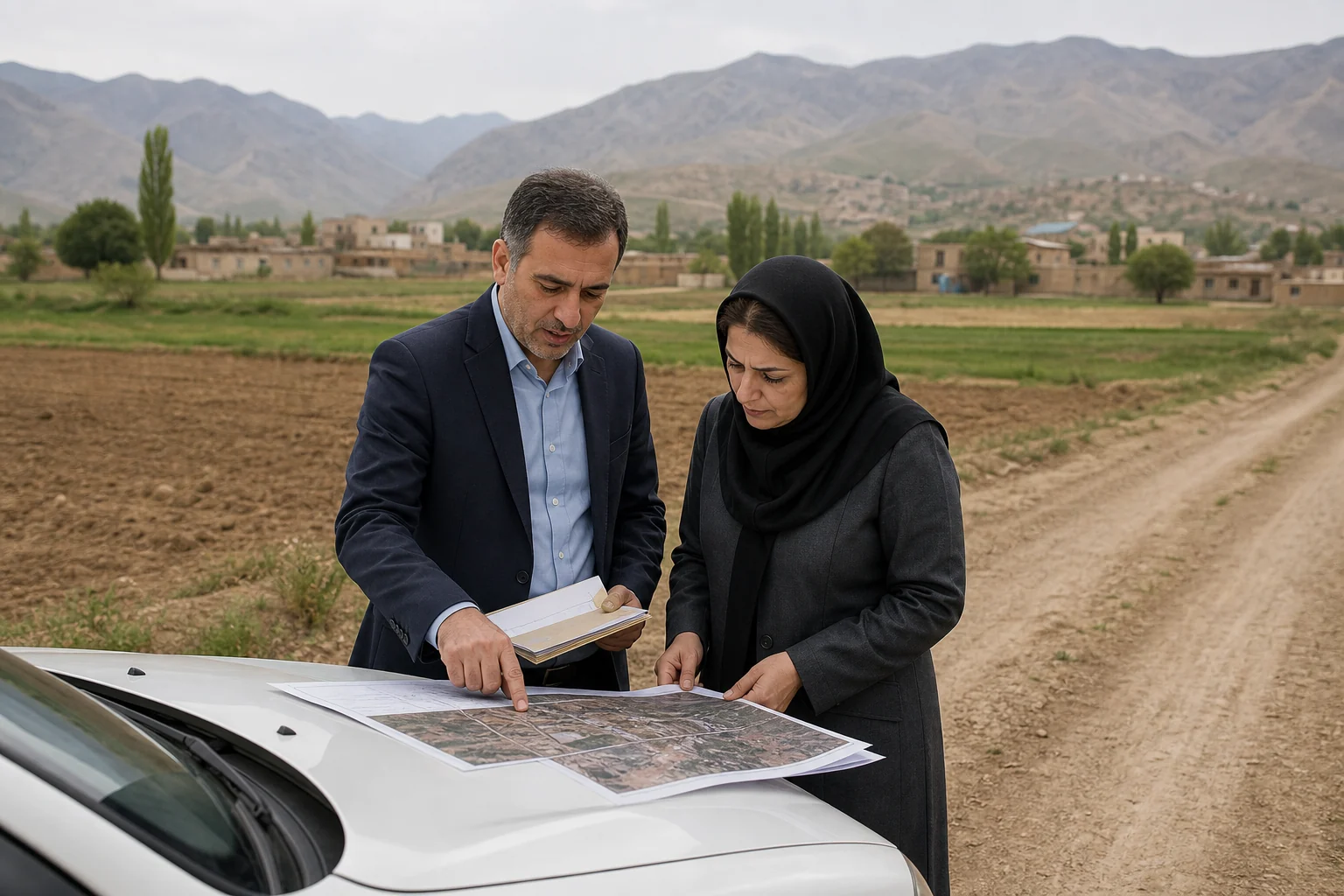
Comparing the cadastral parcel identifier, Natural Resources map, aerial photographs, and the land’s current condition is commonly an important part of the review and may require registration expertise, surveying, and aerial-photo interpretation.
Usual stages of case review
Identifying the cadastral parcel and the challenged decision
The cadastral parcel identifier, the boundaries of the land, and the history of decisions by the Natural Resources authorities or prior authorities are reviewed.
Collecting documents and records of land reclamation
Documents, agricultural-tenure or cultivation records (nasagh), aerial photographs, maps, and evidence of use are collected and classified.
Technical comparison and expert examination
The location of the land is compared with maps and historical records.
Choosing the authority and course of action
The competent authority and the method of objection or filing a lawsuit are determined according to the governing law and the case history.
Related topics
Iranian property disputes
Main page for property, registration, and national-land matters
Registration disputes
Property instruments, registration, and records
Division and partition of property
Co-owned property and determination of each share
Iranian property-law consultation
Reviewing the documents and choosing the appropriate course of action
Act on Mandatory Official Registration of Immovable Property Transactions
Effects of official registration regulations on property documents and claims.
Judicial invalidation of an official property deed
Review of the title deed and related registration disputes.
Relevant legal sources
Law on the Nationalization of the Country’s Forests and Rangelands («قانون ملی شدن جنگلها و مراتع کشور»)
Law on the protection and exploitation of forests and pastures
Iranian Registration of Deeds and Properties Act («قانون ثبت اسناد و املاک»)
This list identifies the principal legal provisions relevant to the page. The applicable law and amendments must be checked against the dates, subject matter and circumstances of each case.
The official texts and latest amendments are available in the National Database of Iranian Laws and Regulations.
Frequently asked questions
Methods of contact
For legal advice or follow-up on a case, contact us using one of the methods below.