
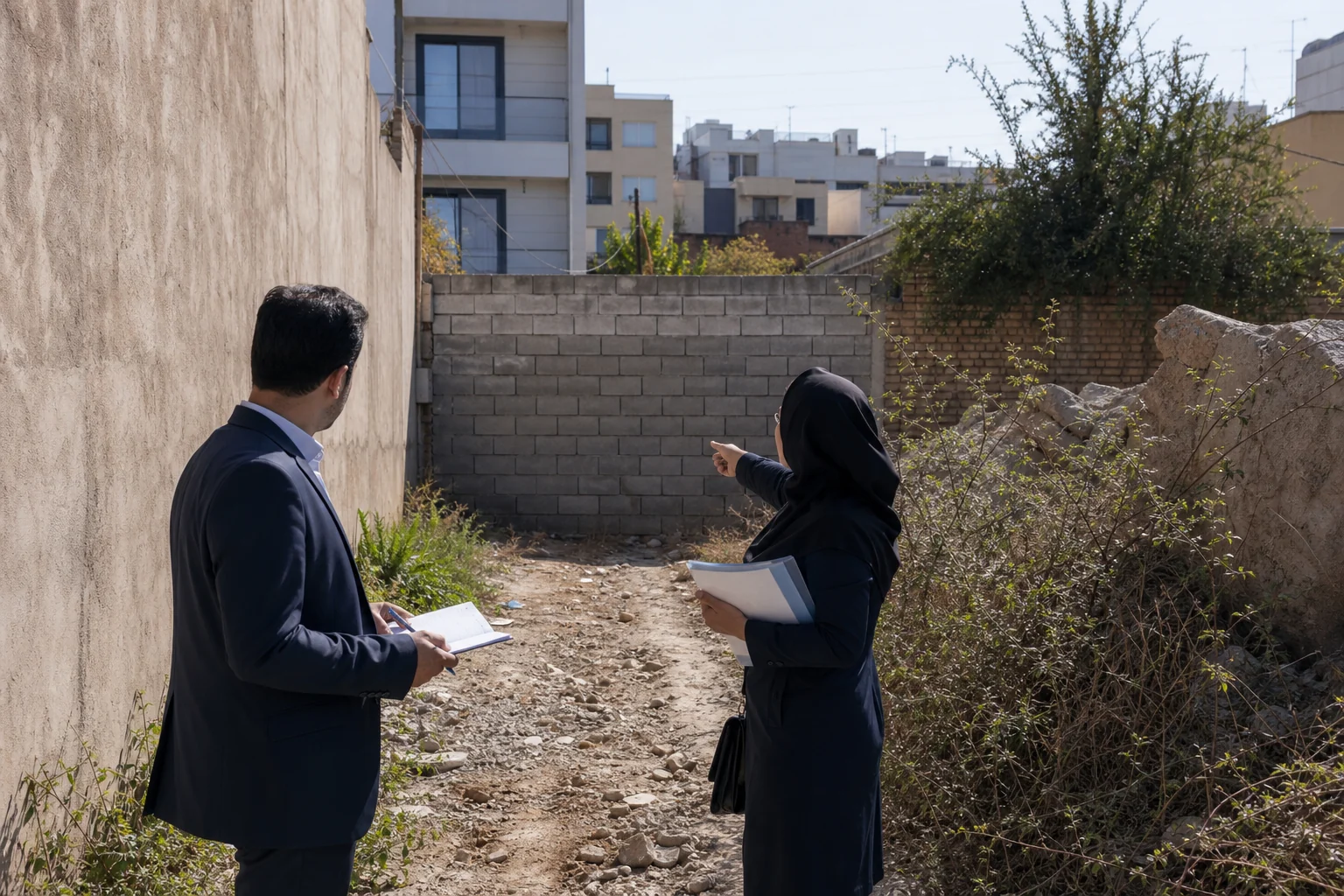
Restoration of possession and removal of interference or obstruction of a right
Possessory actions are intended to provide prompt protection for possession and use of immovable property. Depending on the type of interference, the relief sought may be restoration of possession after unlawful dispossession, removal of interference with possession, or removal of obstruction of the exercise of a right.
These three claims differ. Unlawful dispossession removes the property from the prior possessor’s control. Interference with possession disrupts use without complete dispossession. Obstruction of a right prevents the exercise of an easement or usufruct.
Request a consultationWhat are recovery from unlawful dispossession, removal of interference, and removal of obstruction to the exercise of a right?
Articles 158, 159, and 160 of the Iranian Code of Civil Procedure define, respectively, unlawful dispossession, obstruction of the exercise of a right, and interference with possession. In these claims, prior possession or prior exercise of the right and a later interference are material; their adjudication differs from an ownership action.
Identifying the type of interference
Where the defendant has taken control of the entire property, unlawful dispossession is the issue to examine. Where peaceful and full use is merely disrupted, the issue is interference with possession. Where access, water rights or usufruct are blocked, obstruction of a right may be considered.
Usual stages of review and follow-up
Documenting the prior situation
Documents of prior possession or use of the right are collected.
Determining the type of interference
Complete dispossession is distinguished from interference with possession and obstruction of the exercise of a right.
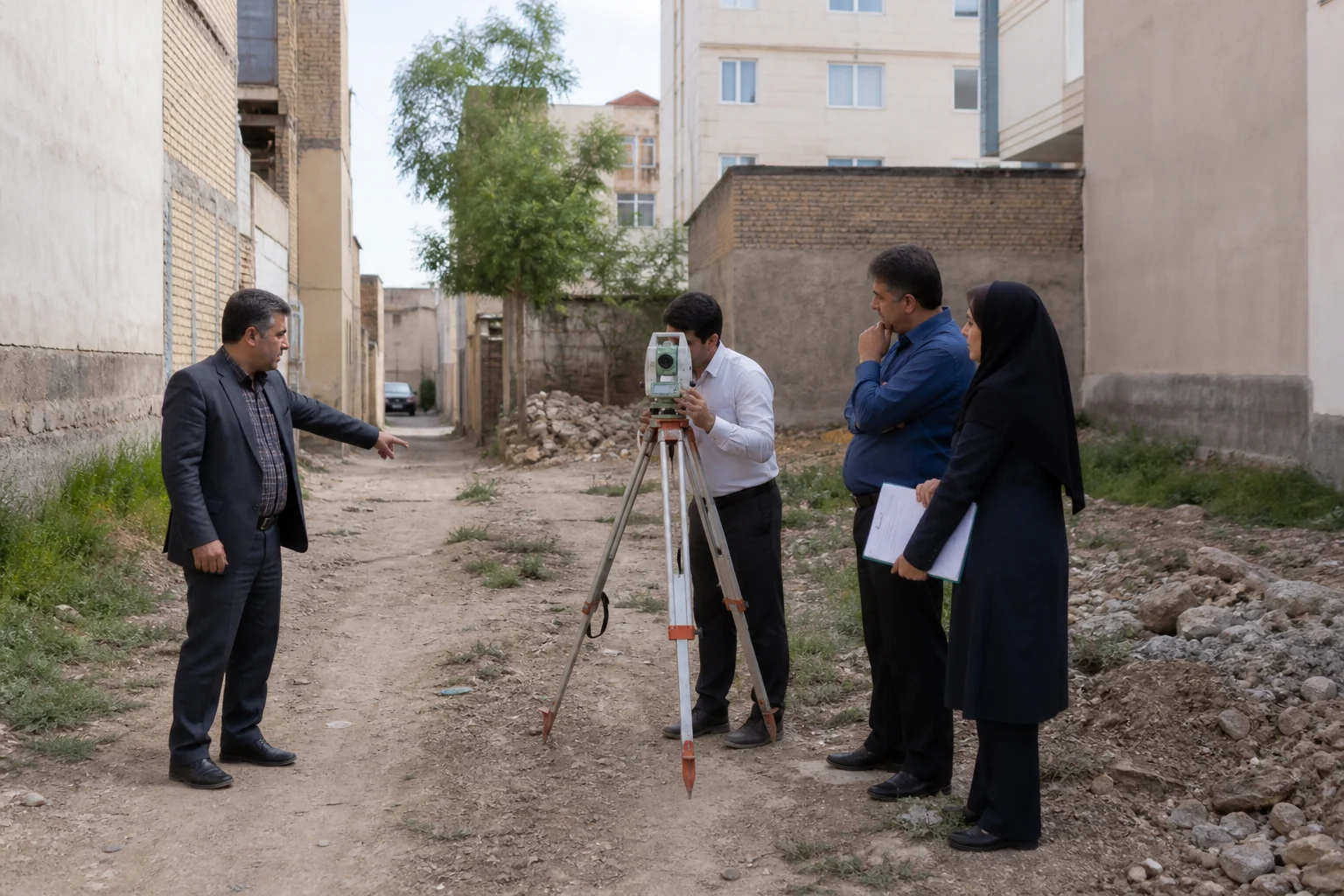
Preservation of evidence and site inspection
Reports, photographs or expert examination are used to document the existing situation.
Filing the claim and enforcing the decision
Relief is sought to end the interference and restore the lawful position.
Admissible supporting evidence
Witness testimony, documents evidencing use, utility bills, a police-station report, photographs and video, maps, a site inspection, and an expert opinion can show prior use and the manner of interference. A title deed may also indicate prior possession.
Related topics
Iranian property disputes
Return to the comprehensive property-law services page
action to compel execution of an official title deed
Official transfer of property and removal of registration obstacles
action to recover possession based on established ownership (khalʿ-e yad)
Ending unauthorized possession on the basis of established ownership
unlawful dispossession
Requirements for civil and criminal proceedings concerning unlawful dispossession.
Relevant legal sources
Iranian Code of Civil Procedure («قانون آیین دادرسی دادگاههای عمومی و انقلاب در امور مدنی»)
Iranian Civil Code («قانون مدنی»)
Book Five of the Iranian Islamic Penal Code (Ta’zir and Deterrent Punishments), enacted in 1375 SH, as amended
This list identifies the principal legal provisions relevant to the page. The applicable law and amendments must be checked against the dates, subject matter and circumstances of each case.
The official texts and latest amendments are available in the National Database of Iranian Laws and Regulations.
Frequently asked questions
Methods of contact
For legal advice or follow-up on a case, contact us using one of the methods below.