
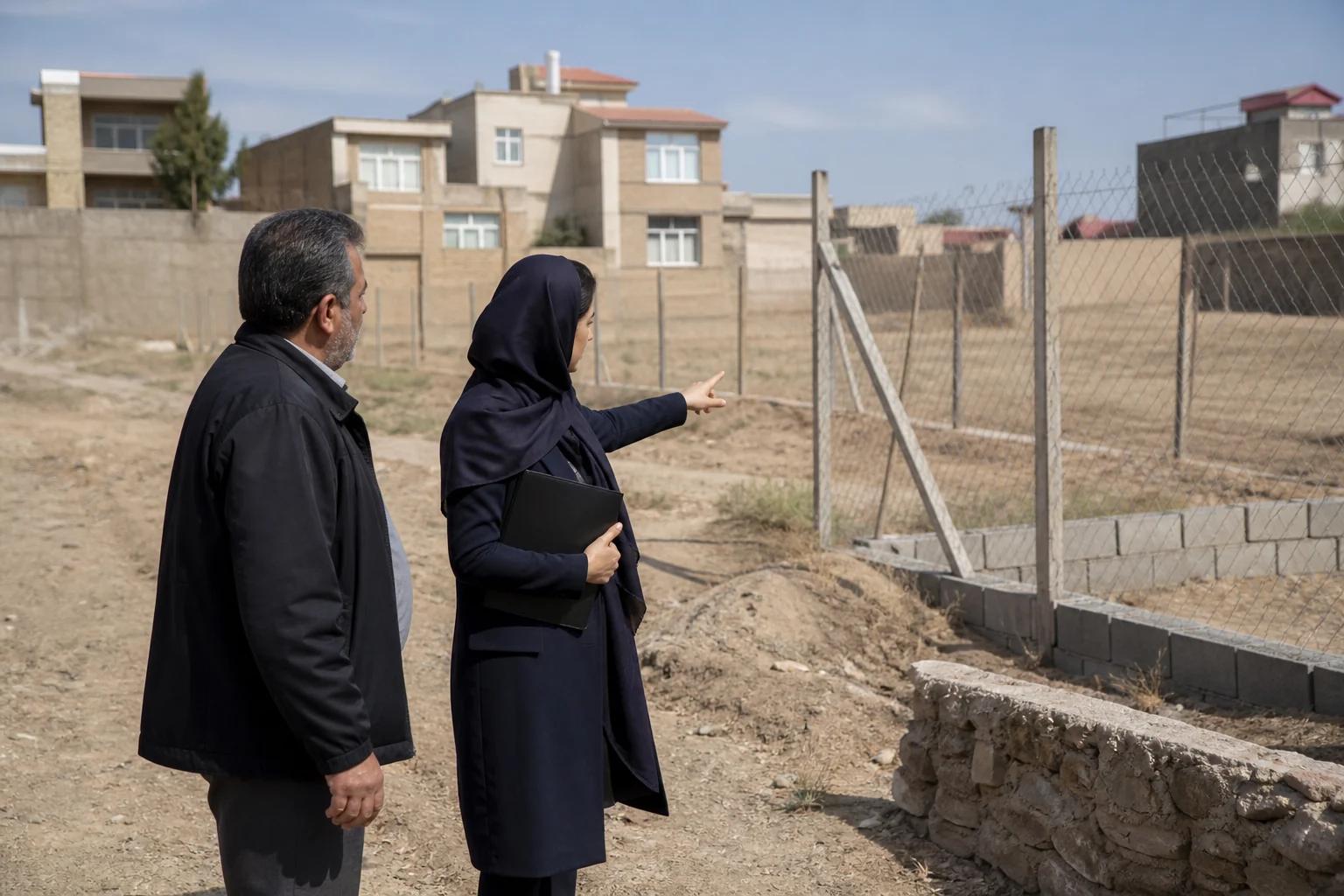
Civil and criminal proceedings for unlawful dispossession
Unlawful dispossession concerns removal of immovable property from a prior possessor’s control without that person’s consent or legal authority. It may be pursued through civil proceedings or, where statutory conditions are met, criminal proceedings.
In a civil unlawful-dispossession claim, the focus is generally the claimant’s prior possession, the defendant’s later possession, and its unlawful nature; unlike an ownership-based action to recover property, where the claimant’s ownership is central. The choice of a civil or criminal route should follow careful review of the evidence.
Request a consultationWhat are the civil and criminal forms of unlawful dispossession?
Under Article 158 of the Iranian Code of Civil Procedure («قانون آیین دادرسی مدنی»), an unlawful-dispossession claim is brought by a former possessor who says another person removed immovable property from that person’s possession without consent and seeks restoration of possession. In criminal proceedings, the offence requires proof of the statutory conditions and criminal intent; a mere ownership dispute is not enough for a criminal conviction.
Elements of the civil claim
The claimant’s prior possession, the defendant’s later possession, and the unlawful nature of that possession are the three main elements. A title deed may indicate prior possession, but the claim is fundamentally based on the possession situation. Witness testimony, a site inspection, a police report, photographs, and documents evidencing use may be relevant.
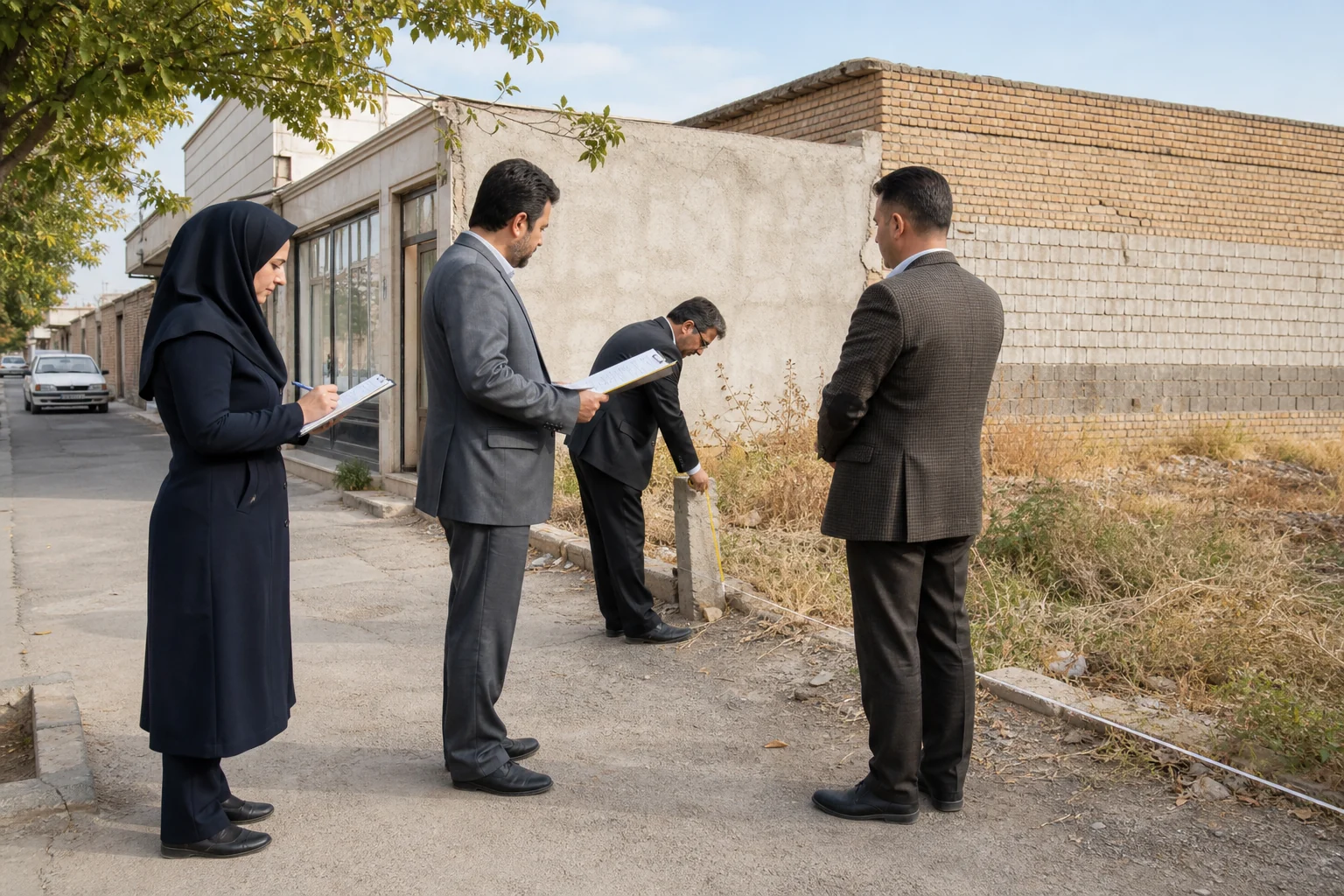
Usual stages of review and follow-up
Proving prior possession
Documents and evidence of the claimant’s prior possession are collected.
Proving the defendant’s subsequent possession
The time and manner in which the defendant entered and took possession of the property are examined.
Establishing the unlawfulness of the dispossession
The absence of consent or legal authority for the later possession is established.
Issuance and enforcement of the judgment
If the requirements are met, a judgment restoring possession and the former position is issued and enforced.
Difference from an action to recover possession based on established ownership (khalʿ-e yad)
In an ownership-based action to recover property, the claimant relies on ownership and proceeds against an unauthorized occupier. In a civil unlawful-dispossession claim, the claimant’s prior possession and the unlawful nature of the defendant’s possession are central. Choosing the wrong form of claim may result in dismissal or delay.
Related topics
Iranian property disputes
Return to the comprehensive property-law services page
action to compel execution of an official title deed
Official transfer of property and removal of registration obstacles
action to recover possession based on established ownership (khalʿ-e yad)
Ending unauthorized possession on the basis of established ownership
Restoration of possession and removal of interference or obstruction of a right
Choosing the appropriate legal claim in disputes over possession.
Relevant legal sources
Iranian Code of Civil Procedure («قانون آیین دادرسی دادگاههای عمومی و انقلاب در امور مدنی»)
Book Five of the Iranian Islamic Penal Code (Ta’zir and Deterrent Punishments), enacted in 1375 SH, as amended
Iranian Civil Code («قانون مدنی»)
This list identifies the principal legal provisions relevant to the page. The applicable law and amendments must be checked against the dates, subject matter and circumstances of each case.
The official texts and latest amendments are available in the National Database of Iranian Laws and Regulations.
Frequently asked questions
Methods of contact
For legal advice or follow-up on a case, contact us using one of the methods below.