
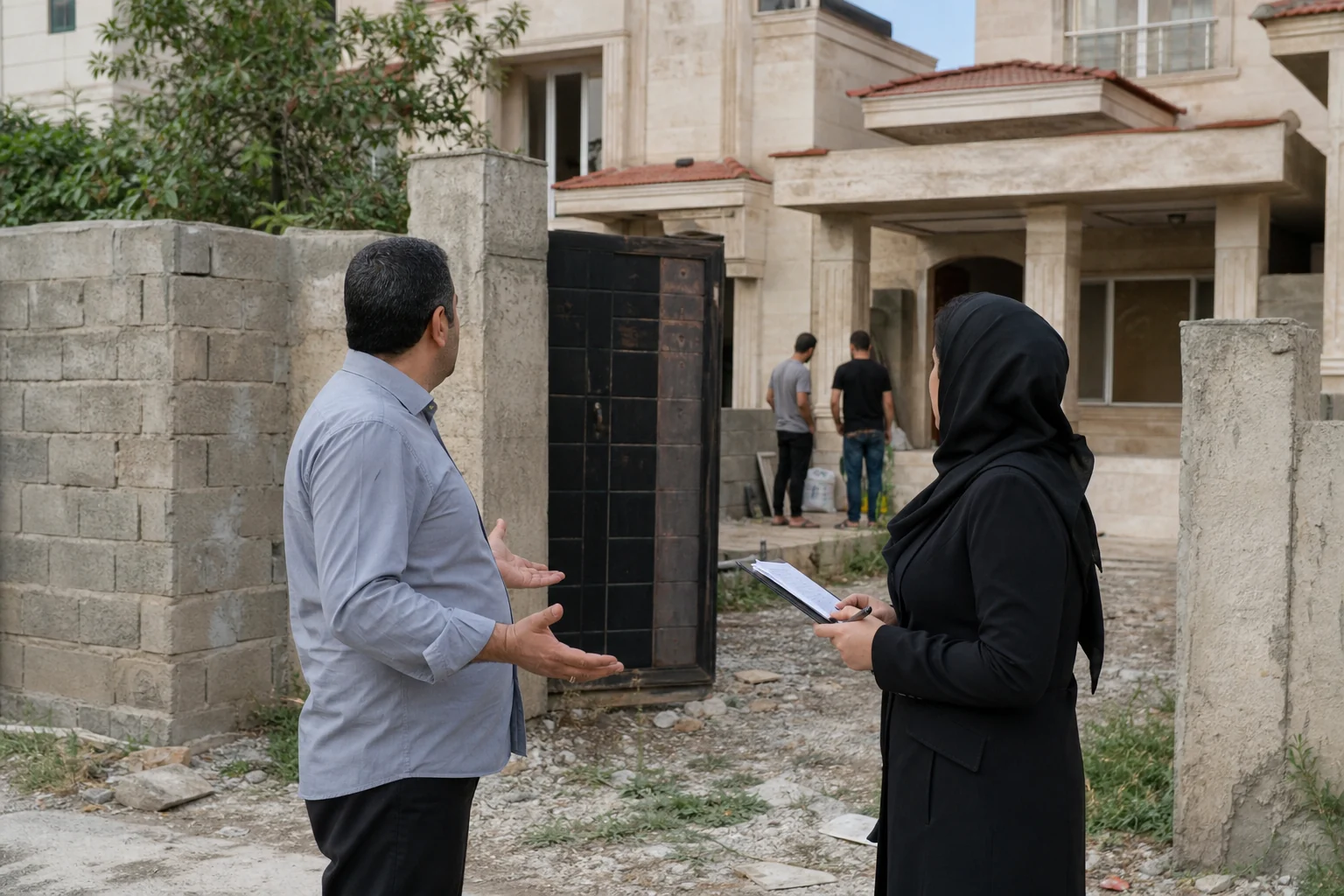
recovery of possession from an unlawful property occupier in Iran
Where a person possesses another’s property without a valid contract or authority, the owner may need an ownership-based recovery claim (khalʿ-e yad). Success depends on identifying the nature of possession and proving ownership.
Before filing, clarify whether possession was unauthorised from the outset, whether there was a lease or prior permission, whether the property is co-owned, and whether the extent of possession needs expert assessment.
Request a consultationWhat is an action to recover possession based on established ownership (khalʿ-e yad)?
An ownership-based action to recover property is one of the principal claims in real-estate matters. A person whose ownership is established may bring it to end another person’s unauthorized possession and recover land, an apartment, a garden, or a shop. The claimant must prove ownership in an admissible manner and show that the defendant possesses the property without legal authority or a valid contractual relationship. For registered property, ownership is generally established through the official title document and the land register; for property without a registration history or still in the registration process, the basis and method of proof must be examined separately. If ownership and unauthorized possession are established, the court may order the occupier to vacate and return the property to the owner. This action is fundamentally distinct from eviction and restoration of possession after unlawful dispossession.
Essential elements of the claim
The main elements are the claimant’s ownership, the defendant’s present possession, the unauthorised character of that possession and precise identification of the property. Title documents, registry inquiries, site inspection, expert opinion and evidence of how possession began may be relevant.
Usual follow-up stages
Establishing ownership and registration particulars
The title document and property boundaries are compared with the area actually occupied.
Identifying the occupier and the nature of possession
It is checked whether the possession was unauthorized from the beginning or whether there was a contractual relationship.
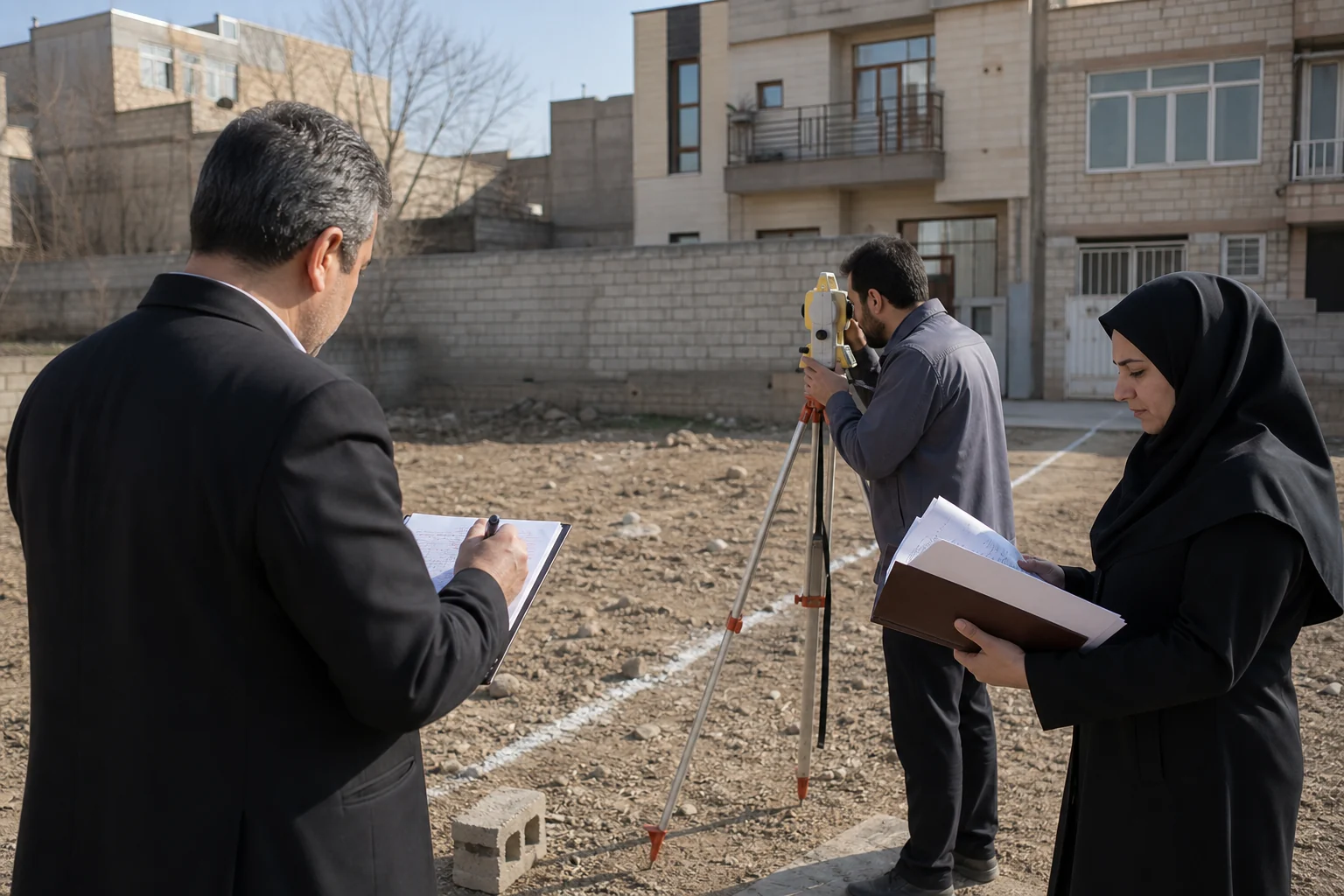
Filing the claim and expert examination
Where there is a dispute about boundaries or the extent of possession, expert examination and an on-site inspection may be important.
Enforcement of the judgment
Once the judgment is final, the occupier is removed and the property handed over within the scope of the judgment.
Related claims that may be considered alongside an ownership-based action for recovery of possession
Depending on the case, claims may include compensation for the period of occupation, removal or demolition of structures or additions, and damages. Each additional claim must be assessed against the evidence, court costs and enforcement effects.
Related topics
action to compel execution of an official title deed
Official transfer of the property after the seller’s refusal
Iranian property disputes
Return to the comprehensive property-law services page
Construction partnership
Contractual disputes in construction projects
unlawful dispossession
The different requirements and procedures for unlawful-dispossession and ownership-based recovery claims.
Ending unlawful occupation and interference with possession
Remedies concerning possession, interference with possession and obstruction of the exercise of a right.
Relevant legal sources
Iranian Civil Code («قانون مدنی»)
Iranian Code of Civil Procedure («قانون آیین دادرسی دادگاههای عمومی و انقلاب در امور مدنی»)
Iranian Registration of Deeds and Properties Act («قانون ثبت اسناد و املاک»)
This list identifies the principal legal provisions relevant to the page. The applicable law and amendments must be checked against the dates, subject matter and circumstances of each case.
The official texts and latest amendments are available in the National Database of Iranian Laws and Regulations.
Frequently asked questions
Methods of contact
For legal advice or follow-up on a case, contact us using one of the methods below.