
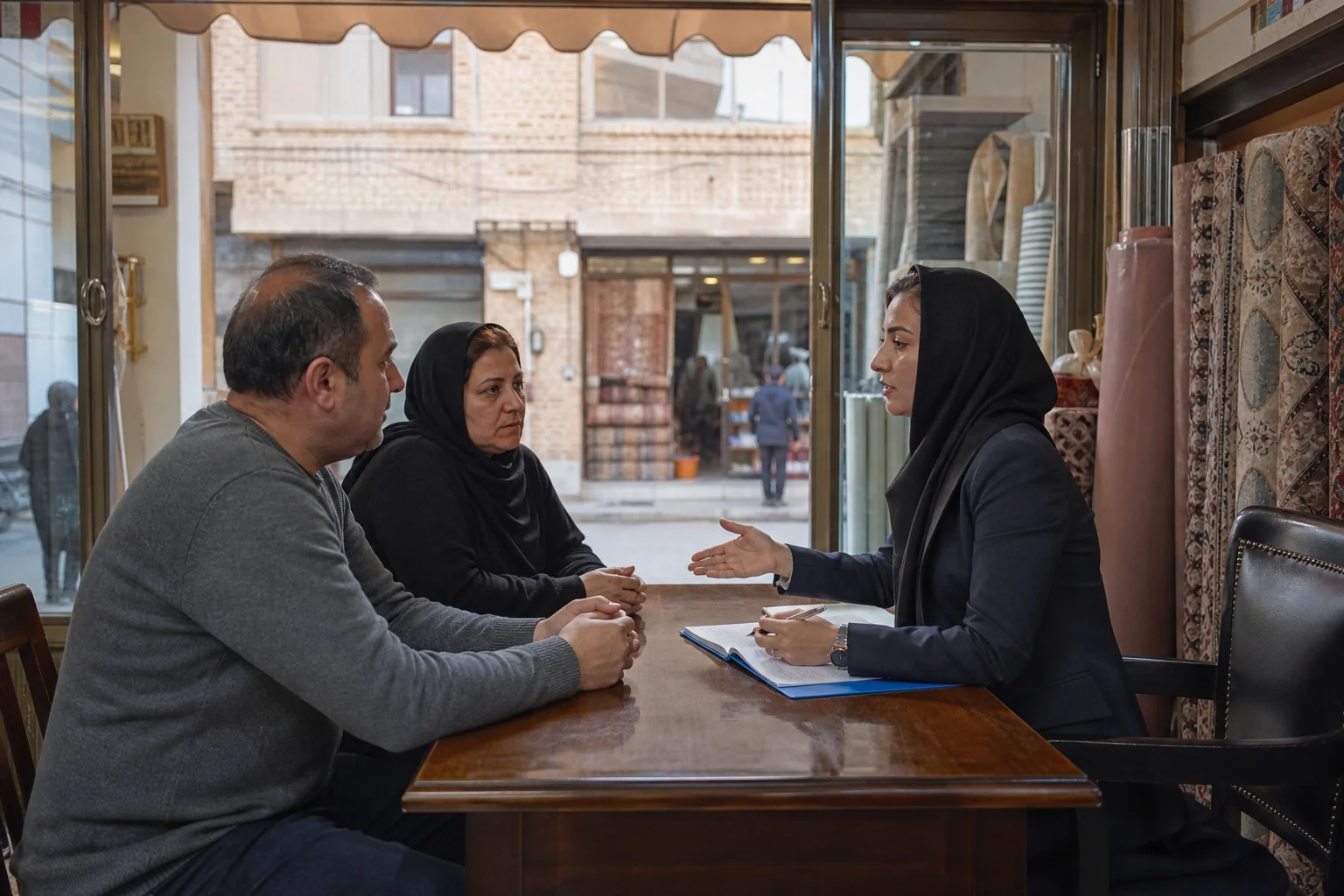
Sarghofli and commercial-tenancy goodwill rights
Sarghofli and statutory commercial-tenancy goodwill rights are important financial rights in commercial premises, but differ in origin, how they arise and how they are claimed. The law governing the tenancy, contract date and payment or transfer arrangements are central to the outcome.
Before filing, examine the lease, tenancy start date, payment receipts, consent to transfer, business activity and possession history. These determine whether the 1356 SH or 1376 SH Landlord and Tenant Relations Act, or the parties’ particular agreement, governs the matter.
Request a consultationWhat are sarghofli and commercial-tenancy goodwill rights?
Sarghofli is generally a financial right arising from agreement, payment or the conditions of the 1376 SH Landlord and Tenant Relations Act. Statutory commercial-tenancy goodwill rights are distinct, mainly associated with the 1356 SH Act, and arise through the tenant’s business activity and clientele. Identifying the right requires review of the contract’s date and wording.
Main subjects of dispute
Transfer of sarghofli, eviction of commercial premises, change of business activity, misuse or neglect, the right to transfer to a third party, claim for the value of the right, and its valuation are common matters in this field. In many cases, an official expert opinion is important for determining the right’s current value.
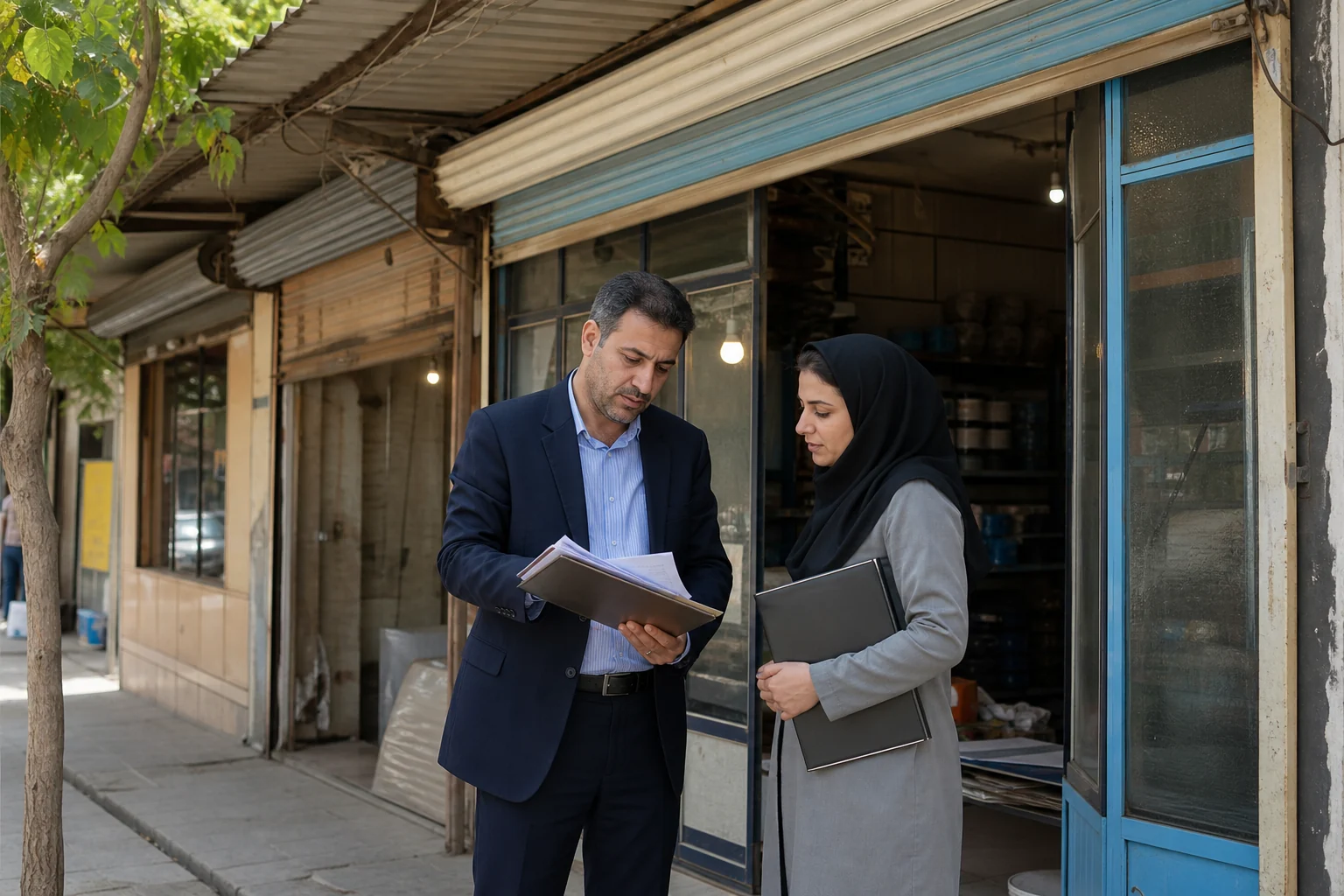
Usual stages of review and follow-up
Reviewing the applicable law
The date and terms of the lease agreement and its extensions are reviewed.
Determining the nature of the right
The review identifies whether the claim concerns contractual sarghofli or statutory commercial-tenancy goodwill rights.
Assessing the evidence and value of the right
Payment records, permits, business history and, where needed, expert assessment are reviewed.
Filing or defending a claim
The appropriate remedy is identified, such as eviction, transfer, assertion of a right or defence against a claim.
The distinction between sarghofli and commercial-tenancy goodwill rights
Sarghofli and statutory commercial-tenancy goodwill rights are not interchangeable. Sarghofli is more closely linked to agreement, initial payment or transfer of the right. Goodwill rights under the 1356 SH tenancy regime relate to continued business activity and statutory conditions. Using the wrong term can change the route of a case.
Related topics
Iranian property disputes
Return to the comprehensive property-law services page
action to compel execution of an official title deed
Official transfer of property and removal of registration obstacles
action to recover possession based on established ownership (khalʿ-e yad)
Ending unauthorized possession on the basis of established ownership
Judgment and order for eviction from property
How eviction procedures differ for residential and commercial property.
Iranian real-estate contracts
Preparing and reviewing rental contracts and property transactions.
Relevant legal sources
Landlord and Tenant Relations Act of 1356 SH
Landlord and Tenant Relations Act of 1376 SH
Iranian Civil Code («قانون مدنی»)
This list identifies the principal legal provisions relevant to the page. The applicable law and amendments must be checked against the dates, subject matter and circumstances of each case.
The official texts and latest amendments are available in the National Database of Iranian Laws and Regulations.
Frequently asked questions
Methods of contact
For legal advice or follow-up on a case, contact us using one of the methods below.