
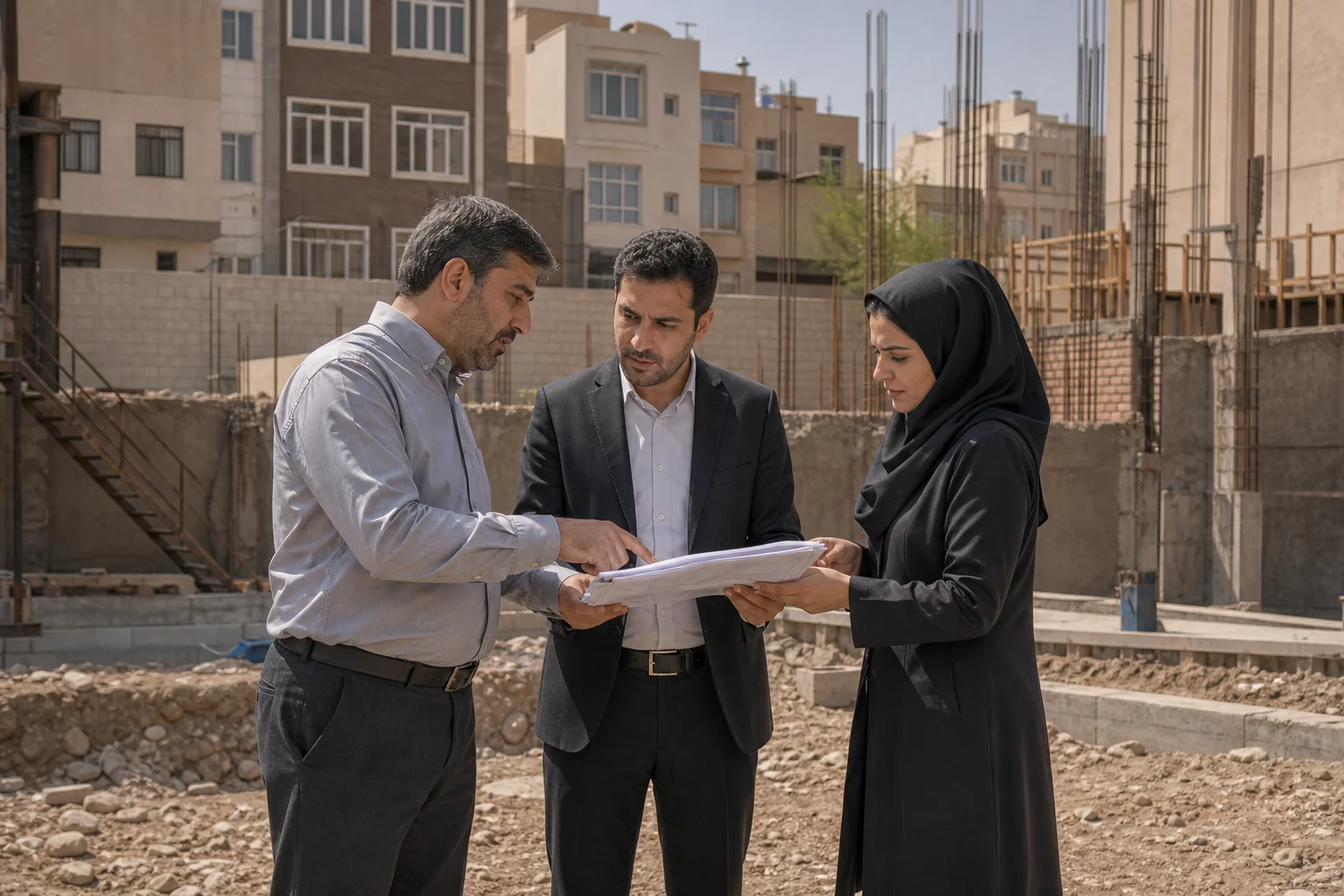
Lawyer for construction-participation agreements and disputes
Participation in construction is one of those contracts that has both a high financial value and is prone to disputes in practice due to the long implementation time, the multitude of obligations and the dependence on permits and the progress of construction operations. In such cases, a careful examination of the contract and the obligations of the parties becomes particularly important.
In this area, a general agreement between the owner and the developer is not enough. Details such as the share of each party, the division of units, the delivery time, the quality of construction, the responsibility for obtaining permits, the method of compensation and guaranteeing the implementation of obligations should be clearly specified so that disputes can be managed in the future.
A construction participation lawyer can accompany the parties from the stage of drafting the contract until a dispute arises and even the implementation of the result; whether to prevent a dispute, negotiate, or pursue legal action in the event of a violation, delay, or halt of the project.
Request a consultation with Fatemeh RakidehWhat issues are important in a construction partnership agreement?
A construction-participation contract must go beyond a general agreement. Clarity about the parties’ contributions, responsibilities, the timetable for performance stages, the limits of the builder’s powers, remedies for breach, and dispute-resolution method are among the matters that determine the project’s outcome.
Important points before signing a contract
Reviewing the property and its documents: Before any agreement, the status of the document, registration restrictions, required permits, possibility of construction and legal records of the property should be checked.
Clear determination of shares and the method of division: One of the most important parts of the contract is clearly determining the parties’ respective shares and the method for allocating units, common areas, and benefits of the project so that they do not later become disputed.
Project implementation schedule: A clear timetable for the commencement, progress, and completion of the project, together with remedies for delay, helps prevent protracted disputes.
Planning for damages and security: The contract should clearly address damages, agreed sums for breach and necessary security if a party does not perform or the project stops.
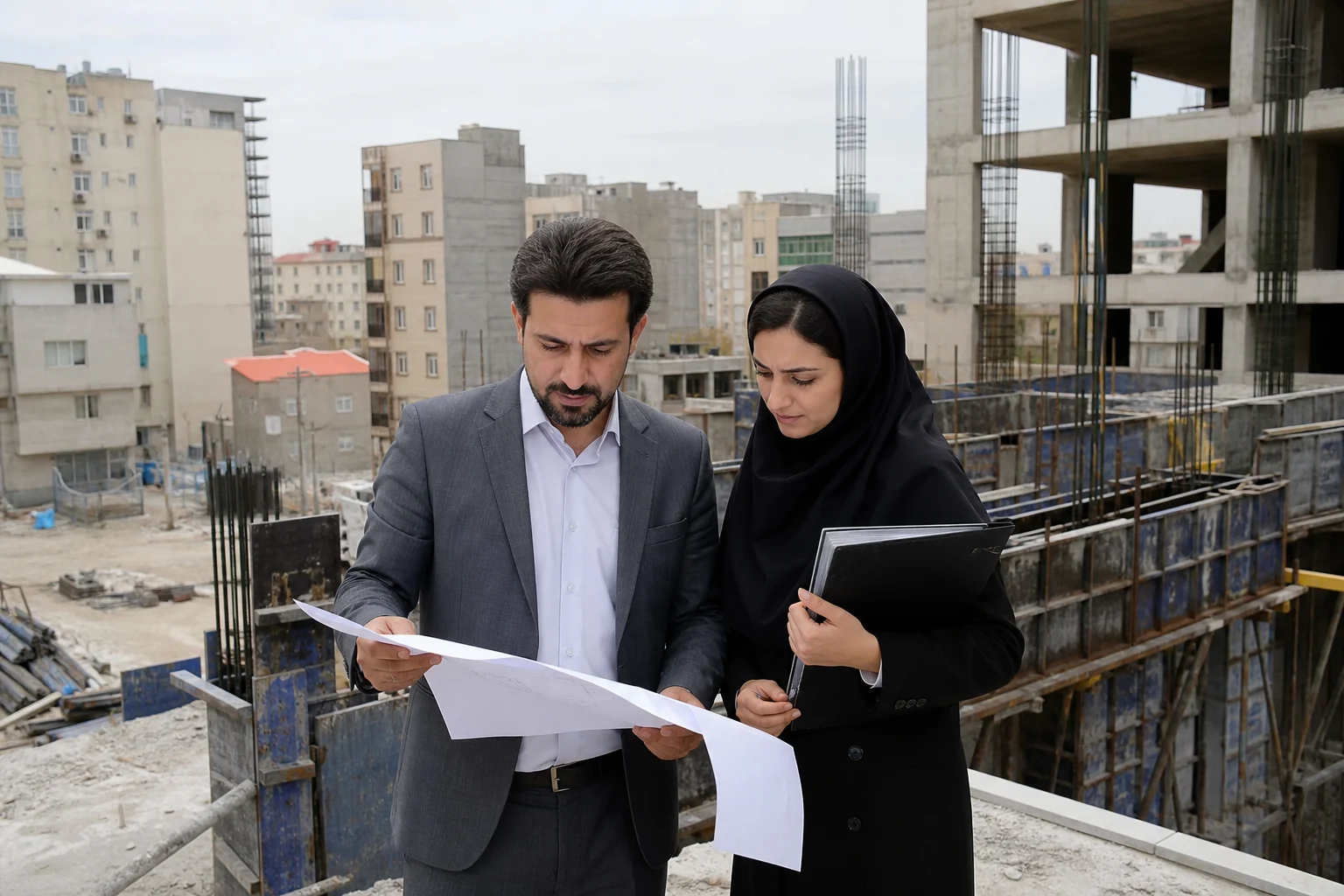
The lawyer’s role in construction-participation cases
Knowing the contract alone is not enough in these cases. A lawyer must analyse the project from contractual, legal and practical implementation perspectives and choose the best route to protect the client’s interests.
Careful drafting of a construction-participation agreement: This type of agreement should clearly address the parties’ respective interests in the project, timetable, technical specifications, handover, responsibility for permits, delay damages and security for performance, to reduce the risk of future disputes.
Reviewing the owner’s and developer’s rights and obligations: The lawyer should specify exactly what obligations each party has; from the delivery of the property and providing administrative preparations to the implementation of the project, financing the costs, the quality of construction and delivery of the units.
Preventing disputes before the project begins: Many construction participation problems arise from the very beginning and because the contract is silent about important details. A prior review by a lawyer can greatly reduce subsequent disputes.
Legal follow-up in the event of delay or breach: If the builder falls behind schedule, stops the project, fails to meet the agreed quality or the owner refuses to fulfill the obligations, the lawyer will determine the appropriate legal path to enforce the obligation, claim damages or other actions.
Professional management of negotiations and settlement: In many construction-participation disputes, careful negotiation supported by documents can prevent project stoppages, increased costs and a prolonged dispute, and may yield a more practical solution.
Following the enforcement stage and implementation of the outcome: Obtaining a judgment alone is insufficient in these matters. Performance of contractual terms, handover of units, recovery of damages, execution of instruments and removal of enforcement obstacles also require organised legal follow-up.
Key questions about construction partnership agreements
- If the builder delays in delivering the units or completing the project, what action can the owner take?
- How are the parties’ respective shares determined in a construction-participation agreement?
- What remedies are available if a party changes its contractual commitments or suspends performance without agreement?
- What risks arise from the absence of adequate remedies for breach in a construction-participation agreement?
- Should the status of the document, Licenses and property records be checked before signing the contract?
- In a dispute between the owner and developer, must a lawsuit always be filed immediately, or could negotiation first be effective?
Relevant legal sources
Iranian Civil Code («قانون مدنی»)
Act on Mandatory Official Registration of Immovable Property Transactions
Iranian Building Pre-sale Act
This list identifies the principal legal provisions relevant to the page. The applicable law and amendments must be checked against the dates, subject matter and circumstances of each case.
The official texts and latest amendments are available in the National Database of Iranian Laws and Regulations.
Frequently asked questions
Methods of contact
For legal advice or follow-up on a case, contact us using one of the methods below.