
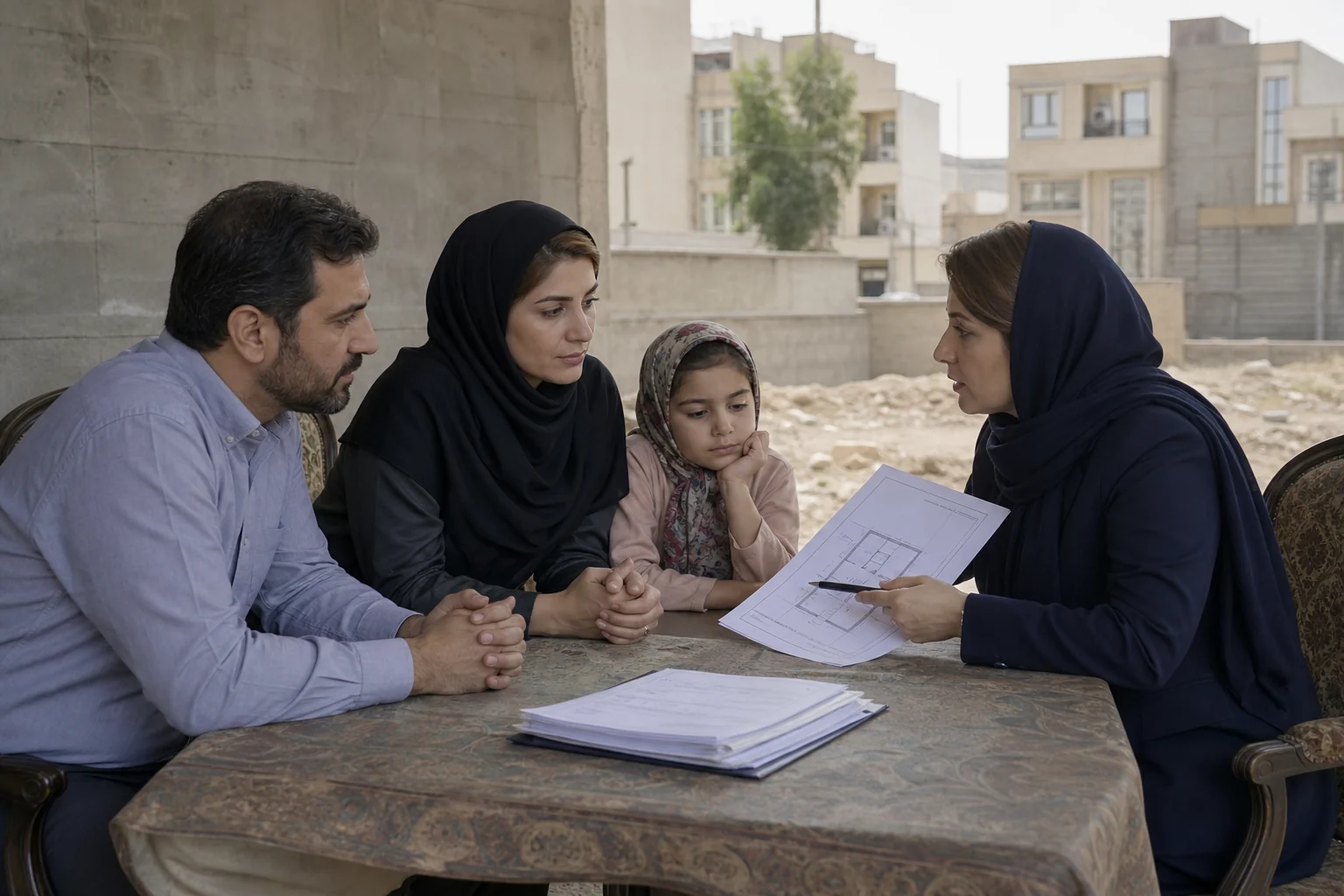
Iranian property-law consultation
Property-law advice before a transaction or claim can help prevent a wrong procedural choice, a risky contract or a missed legal opportunity. The consultation considers deeds, contracts and registration status alongside the client’s objective.
Every property case is a combination of property rights, contractual obligations, possession status and registration regulations. A precise answer is not possible without seeing the documents and general advice should not replace a specific examination of the case.
Request a consultationWhat is a property-law consultation?
Iranian property-law consultation is a process for identifying the legal status of the property, evaluating the documents and risks, determining the options for negotiation or litigation and providing an appropriate action plan. This service can be performed before the purchase, when drawing up the contract, after a dispute has arisen or at the stage of enforcing the judgment.
Which documents should we bring?
Title documents, the sale agreement, the lease, payment receipts, a power of attorney, messages, a formal legal notice, maps, and any evidence of ownership, obligation, or possession should be provided. The chronology of events is also important for a proper assessment.
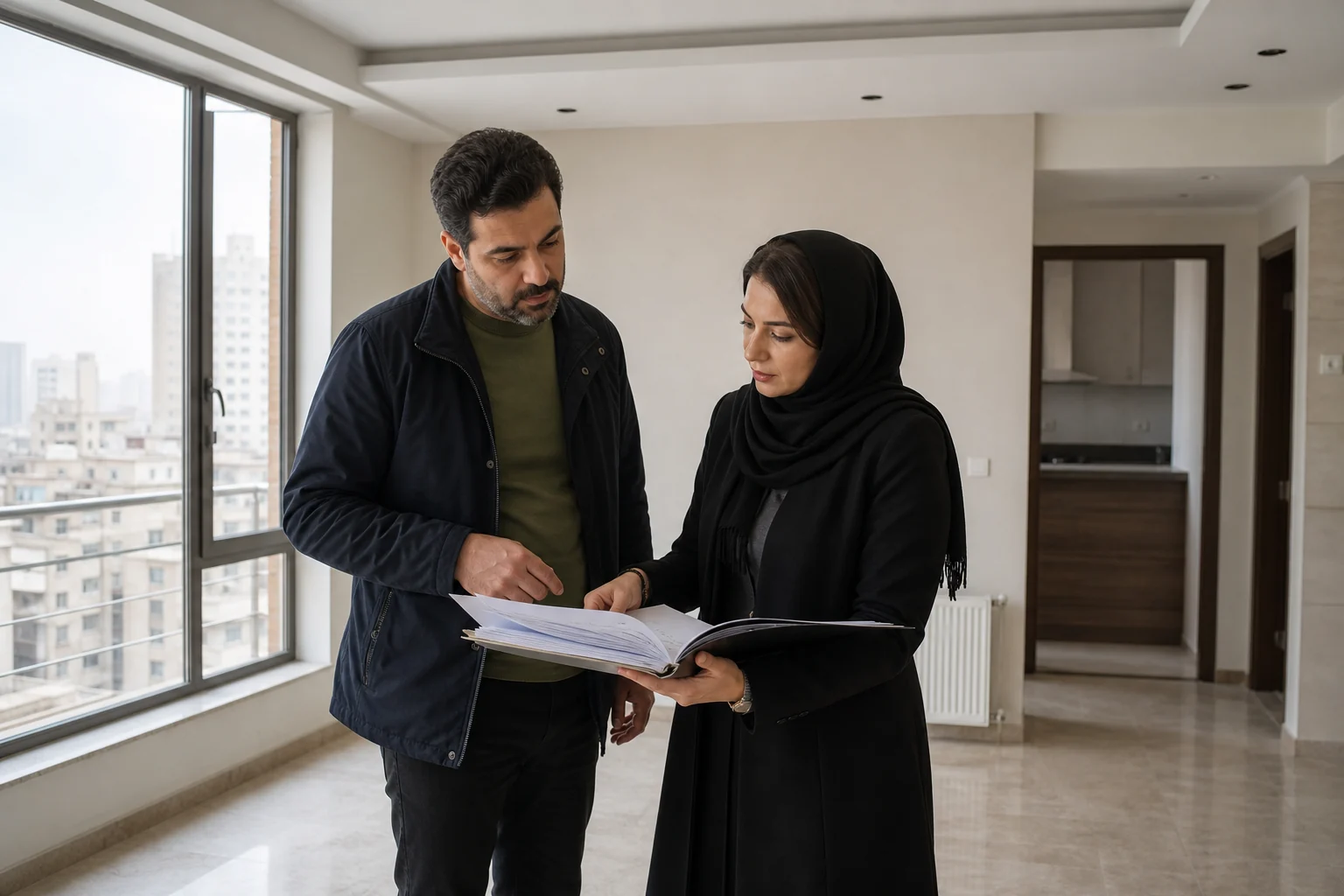
Usual stages of review and follow-up
Obtaining a precise account of the matter
The objective, parties involved and chronology of events are identified.
Reviewing documents and official inquiries
The validity of the documents and the registration status are evaluated.
Identifying options and risks
The options of negotiation, a formal legal notice, and litigation are compared.
Providing an action plan
Next steps, Supplementary documents and priorities are determined.
Preventive legal advice
The best time to seek advice is not always after a dispute has arisen. Reviewing a purchase, lease, or partnership agreement before signature can reveal ambiguous terms, inadequate remedies for breach, and registration obstacles and reduce future costs.
Related topics
Iranian property disputes
Return to the comprehensive property-law services page
action to compel execution of an official title deed
Official transfer of property and removal of registration obstacles
action to recover possession based on established ownership (khalʿ-e yad)
Ending unauthorized possession on the basis of established ownership
Relevant legal sources
Iranian Civil Code («قانون مدنی»)
Iranian Registration of Deeds and Properties Act («قانون ثبت اسناد و املاک»)
Iranian Code of Civil Procedure («قانون آیین دادرسی دادگاههای عمومی و انقلاب در امور مدنی»)
This list identifies the principal legal provisions relevant to the page. The applicable law and amendments must be checked against the dates, subject matter and circumstances of each case.
The official texts and latest amendments are available in the National Database of Iranian Laws and Regulations.
Frequently asked questions
Methods of contact
For legal advice or follow-up on a case, contact us using one of the methods below.