

Theft
A theft case requires proof of taking another person’s property and the circumstances of that act. The property, place, time, means of entry or access and other facts may affect the offence charged and the outcome.
Request a consultationTheft
A theft case requires proof of taking another person’s property and the circumstances of that act. The property, place, time, means of entry or access and other facts may affect the offence charged and the outcome.
Important aspects of this matter
Point 1
A precise description of the property and evidence of ownership or possession before the theft
Point 2
The approximate time and place, and how the location or property was accessed
Point 3
CCTV images, witnesses, tracing data or information about recovery of property, if available
Point 4
Serial numbers, identifiers, technical specifications or distinctive marks of the property
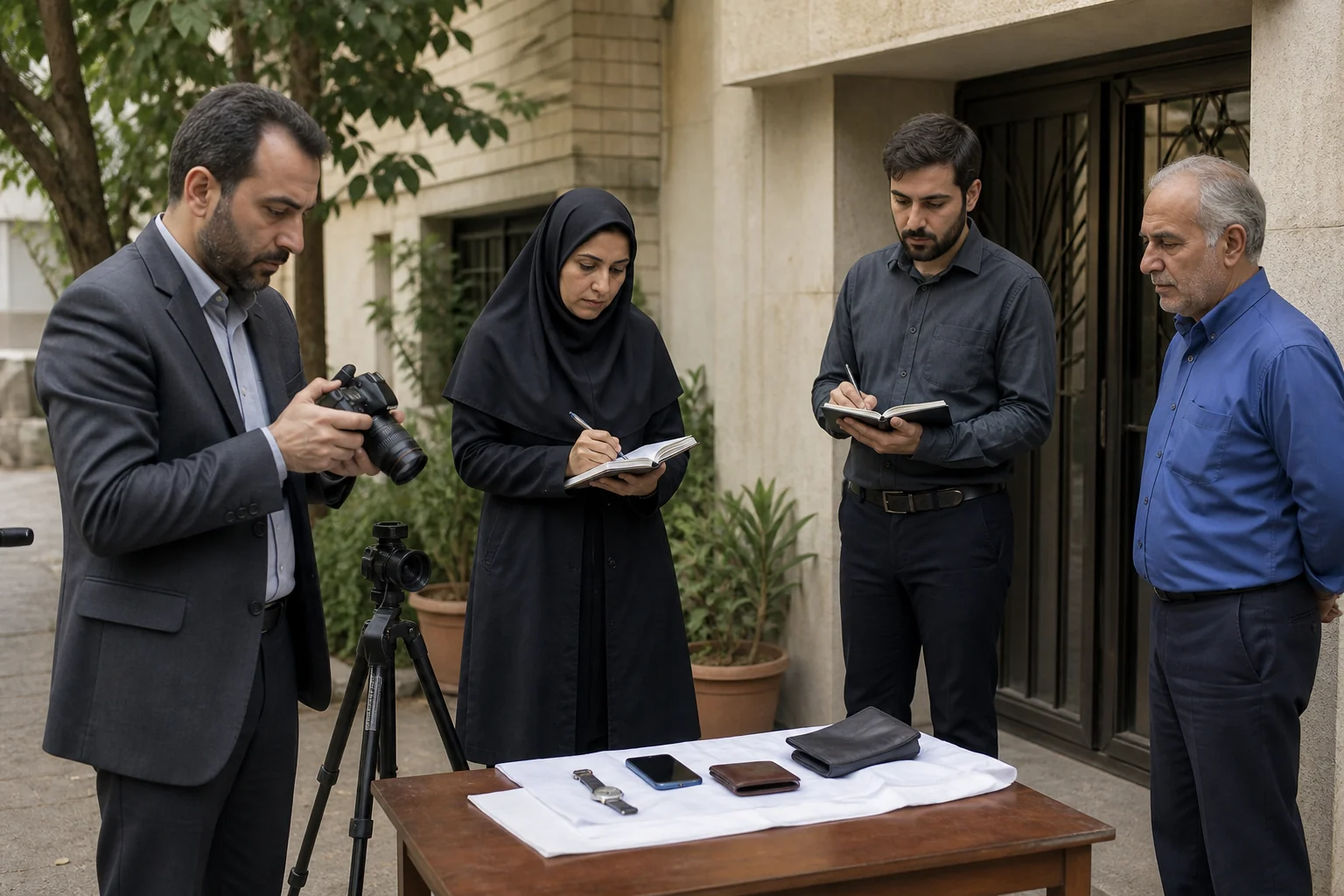
Legal points and course of action
In the first hours after a theft, preserving CCTV footage, equipment serial numbers and traceable information can be crucial. Delay may result in loss of technical or visual evidence.
Finding the property in someone’s possession does not, by itself, always establish all the elements of participation in theft. How it was acquired, each person’s knowledge and each person’s role must be examined separately.
Related topics
intentional assault and bodily injury under Iranian law
Complaints concerning physical altercations and bodily injury, forensic medical assessment, witnesses and video, diyah compensation or qisas where applicable, and key points on evidence and criminal defence.
Insult and false accusations of a crime
The distinction between abusive language and accusing someone of a crime, complaints about messages or published content, evidence and identification of the applicable offence.
Online harm to reputation and dissemination of false information
Publication of private images or information and false statements; preservation of digital evidence, attribution of the account and the complaint procedure.
Criminal defence and written defence submissions
Reviewing the charge and evidence, defence rights, preliminary investigations, orders securing the accused’s appearance, court defence and preparation of case-specific written submissions.
Relevant legal sources
Iranian Islamic Penal Code, enacted in 1392 SH, as amended
Book Five of the Iranian Islamic Penal Code (Ta’zir and Deterrent Punishments), enacted in 1375 SH, as amended
Act Amending Article 104 of the Iranian Islamic Penal Code, enacted in 1403 SH
Iranian Code of Criminal Procedure, as subsequently amended.
This list identifies the principal legal provisions relevant to the page. The applicable law and amendments must be checked against the dates, subject matter and circumstances of each case.
The official texts and latest amendments are available in the National Database of Iranian Laws and Regulations.
Frequently asked questions
Methods of contact
For legal advice or follow-up on a case, contact us using one of the methods below.